Here’s our septic pumping process, from your first call to a clean tank — exactly what happens, step by step.
You Call or Book Online
Tell us your ZIP code, what’s going on (routine pump-out, slow drains, an emergency), and when you’d like service. We check which licensed pros are working near you and give you a flat-rate cost up front — no guessing.
We Match You With a Local Pro
We dispatch a licensed, insured, background-checked professional already working in your county — not a random contractor from three states away. Most appointments are confirmed within 24 hours, with same-week service available in most areas.
The Pro Confirms the Price Before Starting
Before any truck does any work, your pro confirms the flat-rate price on-site. If something unexpected turns up (like a tank that needs a riser or a repair), you’ll hear about it and approve it before it happens — no surprise invoices.
The Work Gets Done
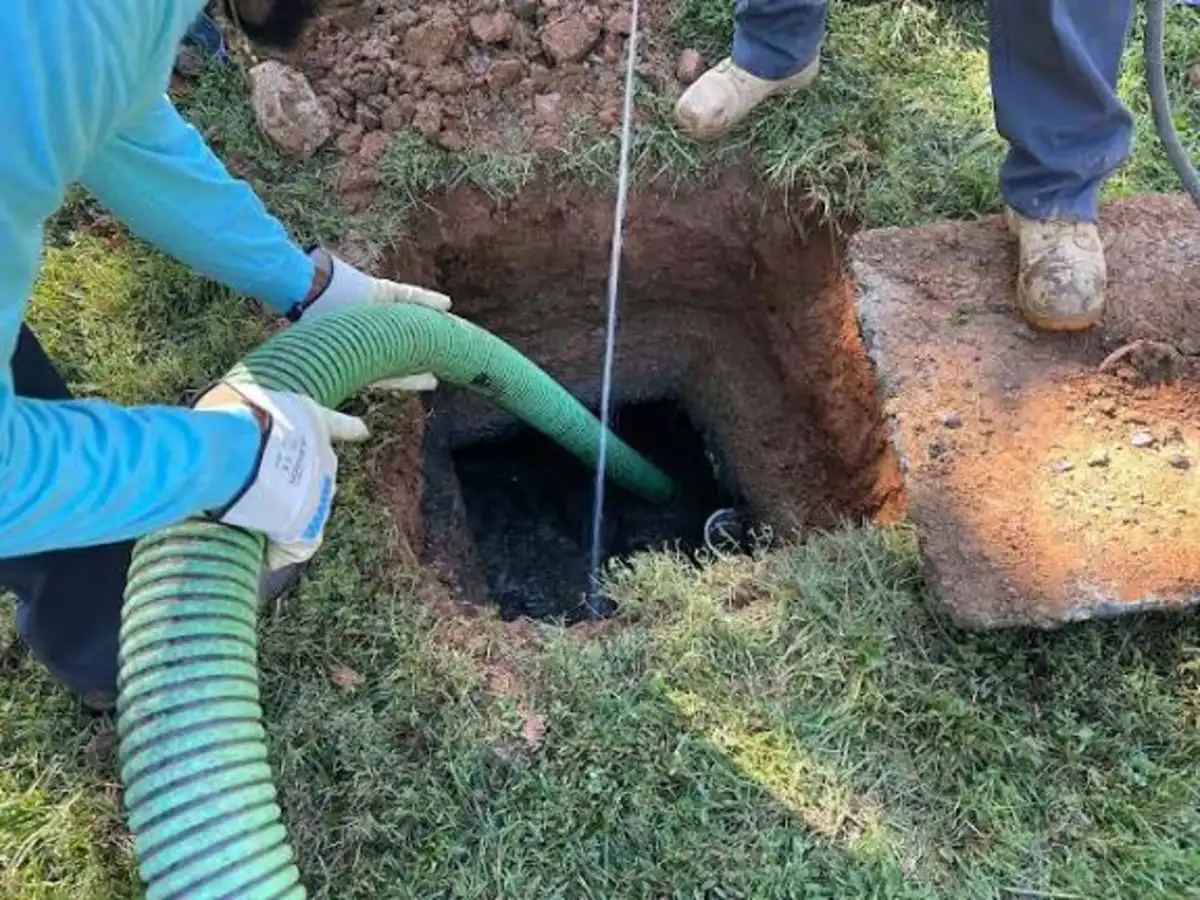
Using a vacuum truck and standard septic equipment, your pro locates the tank (or uses your existing riser/access point), opens it, pumps the solids and liquids, and checks the tank’s condition and baffles while they’re in there.
You Get a Written Record
Every visit comes with a written service record and a plain-English rundown of what was found and what (if anything) needs attention before your next scheduled pumping.
What’s Included With Every Visit
- Before/after documentation of the tank and access point
- A written service record you can keep for your files
- Plain-English explanations — no jargon, no scare tactics
- Flat price confirmed before the truck leaves
- Proper waste disposal at a licensed treatment facility
Why Our Septic Pumping Process Works This Way
Every step in our septic pumping process exists for a reason. Matching you with a local, licensed technician means faster arrival and someone who knows regional soil and permitting quirks. Confirming cost before the truck arrives means no surprise line items on the invoice. And a written service record after the visit gives you documentation for home sale disclosures, warranty claims, or simply your own maintenance history.
What You Can Do to Help the Process Go Smoothly
Before your appointment, clear a path to the tank lid or riser if you know its location, move vehicles away from the access area, and secure pets away from the work zone. If you don’t know where your tank is, that’s fine — locating it is part of the first step in our septic pumping process, and the technician has the tools to find it.
Frequently Asked Questions
How long does the septic pumping process take?
Most residential pumpings take 30 to 60 minutes once the crew is on site, depending on tank size, access, and how much sludge and scum has built up.
Do I need to be home for the septic pumping process?
Not necessarily, as long as the technician can access the tank and you’ve confirmed payment arrangements in advance. Many customers simply leave the access area clear and are reachable by phone.
For more on how septic systems work between service visits, see the EPA’s septic systems overview, or browse our Septic Learning Center for cost and maintenance guides.
What happens if the technician finds a problem during the process?
If something beyond routine pumping turns up — a cracked baffle, a failing drain field, or root intrusion — the technician will explain what they found, show you if possible, and give you options before doing any additional work. Nothing beyond the agreed pumping happens without your approval.
Most jobs follow the same five steps every time: request service, get matched locally, confirm upfront pricing, complete the pumping, and receive your written record. It’s a straightforward process built to remove guesswork from a job most homeowners only deal with once every few years.