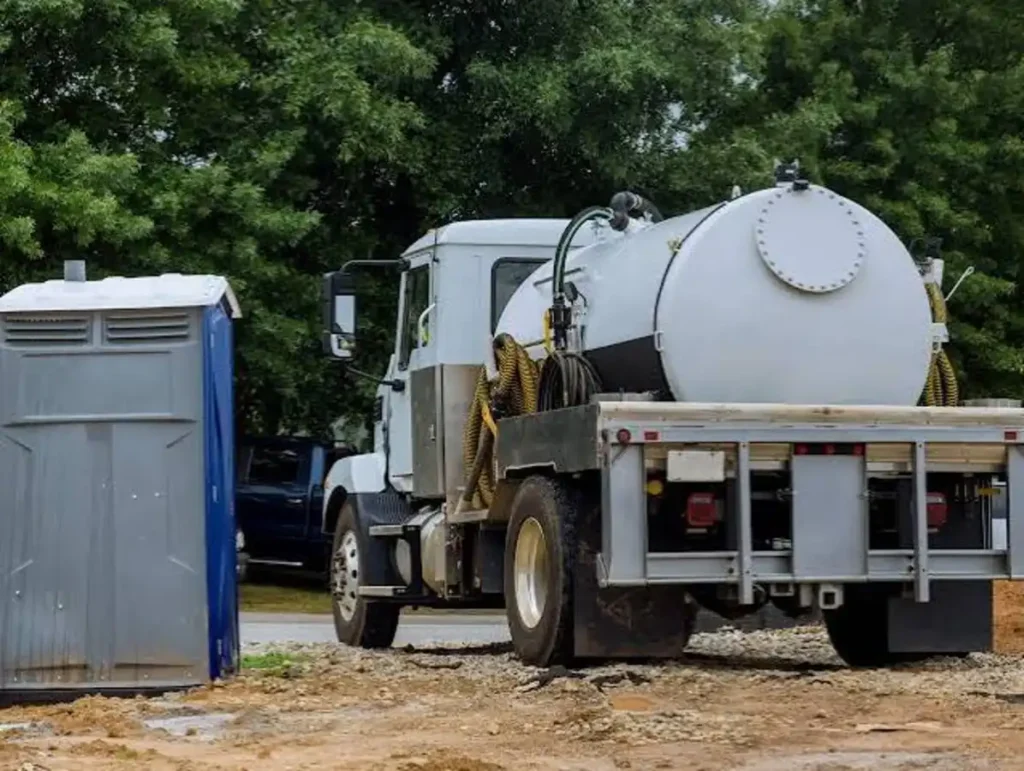
Septic tank cleaning is the deeper service many homeowners ask about when they wonder what the difference is between septic pumping and septic cleaning. In short, pumping removes the liquid and much of the floating and settled material from the tank, while cleaning goes further — it breaks up and removes the stubborn sludge and scum that pumping alone can leave behind. Septic Pumping Experts connects homeowners with licensed, local septic professionals for both routine pumping and a deeper tank cleaning.
Septic pumping vs. septic cleaning, explained
Pumping is the regular service most systems need every few years. A hose removes the tank’s contents, lowering the levels of scum on top and sludge at the bottom. Cleaning builds on that step: the remaining material is loosened, often with water, and then removed, so the tank walls, baffles, and fittings are left in a cleaner condition. Cleaning takes longer and is usually recommended when a tank has gone a long time between services, when buildup is heavy, or when a system has had repeated problems.
During a septic tank cleaning visit, the professional first pumps the tank, then uses water and agitation to break up compacted sludge and floating scum that cling to the walls and baffles.
That extra step matters because hardened buildup can reduce the tank’s working capacity, trap odors, and hide damage to baffles, filters, and outlet fittings. A thoroughly cleaned tank drains more evenly, gives a clearer inspection result, and helps the drain field receive only properly separated liquid, which protects it from clogging. Homes that have gone many years without service, that use a garbage disposal heavily, or that have had slow drains or backups are the most likely to benefit from cleaning rather than pumping alone.
How septic tank cleaning works
First, the professional locates and opens the tank, then pumps out its liquid contents. Next, the remaining sludge and scum are broken up and washed down so they can be pumped out as well. The tank, baffles, and filter (where fitted) are then checked for damage or blockage. Finally, the professional explains what was found and whether any follow-up — such as a septic system inspection or a repair — is needed.
When is septic tank cleaning needed?
- It has been a long time since the last pumping
- There is a thick layer of sludge or scum in the tank
- Drains are slow or backing up even after pumping
- There are persistent odors near the tank or drain field
- You are buying a home and want a thorough service before moving in
How often is septic tank cleaning needed?
There is no single schedule that fits every home. Most households pump every 3 to 5 years, and cleaning is often done at the same visit or when the tank’s condition calls for it. Larger households, homes with garbage disposals, and heavy water use tend to need service sooner. A professional who can see the tank’s actual condition is the best guide to timing — and if sewage is backing up, do not wait: emergency septic pumping may be needed.
Keeping a cleaned tank in good condition
After cleaning, small habits make a big difference. Avoid putting grease, wipes, feminine products, harsh chemicals, and medicines down the drain, and spread out heavy water use such as laundry loads. Keep vehicles and heavy equipment off the drain field, and keep a record of when the tank was last pumped and cleaned so the next service is not left too long.
A cleaned tank also gives the professional a clearer view of the tank’s condition, including the baffles, lids, inlet and outlet, and any cracks or wear that pumping alone might hide. If the crew notes a repair, arrange it promptly rather than waiting for the next service interval, since a small baffle or lid problem can quickly become a backup or a drain field issue.
Between services, watch for early warning signs: slow drains, gurgling pipes, odors near the tank or drain field, and soggy or unusually green patches of grass. Those signs do not always mean an emergency, but they do mean the system should be checked before the problem grows. For general guidance on how septic systems work and how to care for them, see the U.S. Environmental Protection Agency at https://www.epa.gov/septic
For a deeper clean, or if your tank is overdue for service, call (213) 438-9131 for a free quote. Local service is also available in the Phoenix area — see septic pumping in Phoenix, AZ.