Grease trap pumping is one of those maintenance jobs nobody thinks about until the kitchen sink starts backing up with something that smells like it crawled out of a dumpster. If you run a commercial kitchen, or even a home with a garbage disposal that sees a lot of grease, this is the guide I wish every customer read before their trap overflowed.
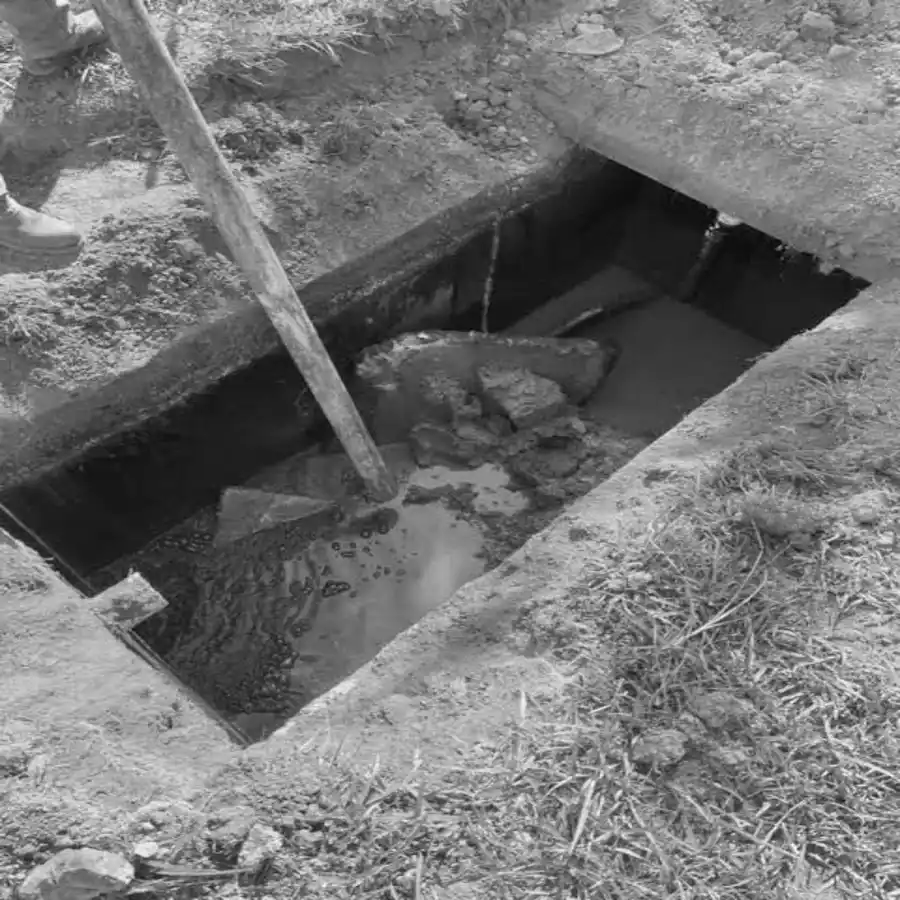
What Is a Grease Trap, and Who Actually Needs One?
A grease trap is a plumbing device installed between a kitchen’s drains and the sewer or septic line. It slows the flow of wastewater long enough for fats, oils, and grease (FOG) to cool, solidify, and float to the top, while heavier food solids sink to the bottom — so only the relatively clean water in the middle continues downstream.
Restaurants, cafeterias, bakeries, and any commercial kitchen are typically required to have one by their local health department or sewer authority — it’s not optional, it’s usually written into your business’s plumbing permit. Homes with septic systems can also benefit from a smaller grease interceptor if the household does a lot of frying or has a garbage disposal that regularly sees grease, since FOG buildup is one of the fastest ways to clog a drain field.
How Often Should a Grease Trap Be Pumped?
The industry rule of thumb is the “25% rule”: once the combined layer of grease and solids reaches 25% of the trap’s total depth, it’s time to pump. Waiting longer than that lets grease start passing through into the sewer line, which is exactly what triggers slow drains and backups.
In practical terms, that works out to:
- High-volume kitchens (fast food, busy diners, large restaurants): weekly to biweekly pumping
- Moderate-volume kitchens (sit-down restaurants, cafes): monthly
- Low-volume kitchens (small offices, churches, low-grease menus): quarterly
- Homes with a grease interceptor: typically once or twice a year, depending on cooking habits
Where you’re located can add its own requirements on top of that general guideline:
- Many municipal sewer authorities, especially in older Northeast and Midwest cities with combined sewer systems, require a certified hauler and a signed manifest for every pumping — proof the grease didn’t just get dumped somewhere it shouldn’t.
- Coastal cities in the Southeast and Gulf regions often have stricter FOG ordinances tied to protecting nearby waterways, with inspectors who actually check pumping records during health inspections.
- Rural kitchens on a septic system, particularly out West and in parts of the Mountain states, don’t usually answer to a sewer authority, but an overloaded grease trap here hits your own drain field directly, so the incentive to stay ahead of it is even bigger.
What Happens During a Grease Trap Pumping
- The technician opens the trap and measures the grease and solids layer to confirm it needs service
- A vacuum truck removes the grease, solids, and wastewater from the trap
- The interior walls and baffles get scraped down, since grease clings to the sides even after pumping
- The trap is inspected for cracks, worn baffles, or a failing lid
- You get a manifest or service record — keep this, since it’s what a health inspector or sewer authority will ask to see
Signs Your Grease Trap Needs Pumping Now
- Kitchen sinks draining slower than usual, especially the one closest to the trap
- A sewage or rotten-egg smell near the drains or trap lid
- Gurgling sounds when water drains
- Grease or a fatty film visible in the trap when you check the lid
- Fruit flies or drain flies suddenly showing up around the kitchen
What Grease Trap Pumping Costs
A standard pumping runs $150 to $500 depending on the trap’s size and how much grease has built up. Larger in-ground interceptors for high-volume kitchens can run higher, especially where a hauler has to bring a bigger truck or travel further to reach you. Some cities add a manifest or disposal fee on top of the base price, since the grease has to be hauled to an approved facility, not just dumped anywhere.
Frequently Asked Questions
Is a grease trap the same as a septic tank?
No. A grease trap only handles kitchen wastewater and exists specifically to catch fats, oils, and grease before they reach the sewer or septic system. A septic tank treats all of a property’s wastewater. Many commercial kitchens on septic have both — a grease trap upstream, protecting the septic tank and drain field downstream.
Can I pump my own grease trap?
Small under-sink traps can sometimes be scooped out by hand between professional services, but a full pumping needs a vacuum truck and, in most areas, a licensed and certified hauler who can issue a manifest. Health departments generally want documented proof of professional service, not a DIY log.
What happens if I skip a grease trap pumping?
Grease starts passing through into the sewer or septic line, which leads to slow drains, backups, and odors first — and can result in a failed health inspection, fines from your local sewer authority, or a clogged drain field if you’re on septic. It’s a much cheaper problem to solve on schedule than after it backs up during a dinner rush.
Related Reading
- Septic Learning Center — the full guide library
- Aerobic Treatment Unit (ATU) Inspection Guide
- Septic Tank Pumping Cost: 2026 National Cost Guide
Grease Trap Pumping: Getting Professional Help
Skipping a scheduled grease trap pumping does more than risk a clog \u2014 many municipalities require regular service records for restaurants and commercial kitchens as part of their wastewater permits. The EPA\u2019s guidance on how wastewater systems work explains why fats, oils, and grease left to build up can damage pipes and treatment equipment downstream. If your grease trap pumping is overdue or you are not sure what schedule your kitchen needs, reach out through our contact page and a licensed technician can set up a routine grease trap pumping schedule for you.