Septic tank pumping in Virginia keeps a home’s wastewater system working safely, and getting it right means knowing both the state’s rules and the service itself.
More than 1.1 million septic systems serve homes across Virginia, from the sandy, high-water-table soils of the Tidewater region to the red clay of the Piedmont and the karst terrain of the Shenandoah Valley. With rising sea levels affecting coastal systems and Chesapeake Bay rules governing tank maintenance, Virginia homeowners face a wider range of septic considerations than most states.
How Septic Systems Are Regulated in Virginia
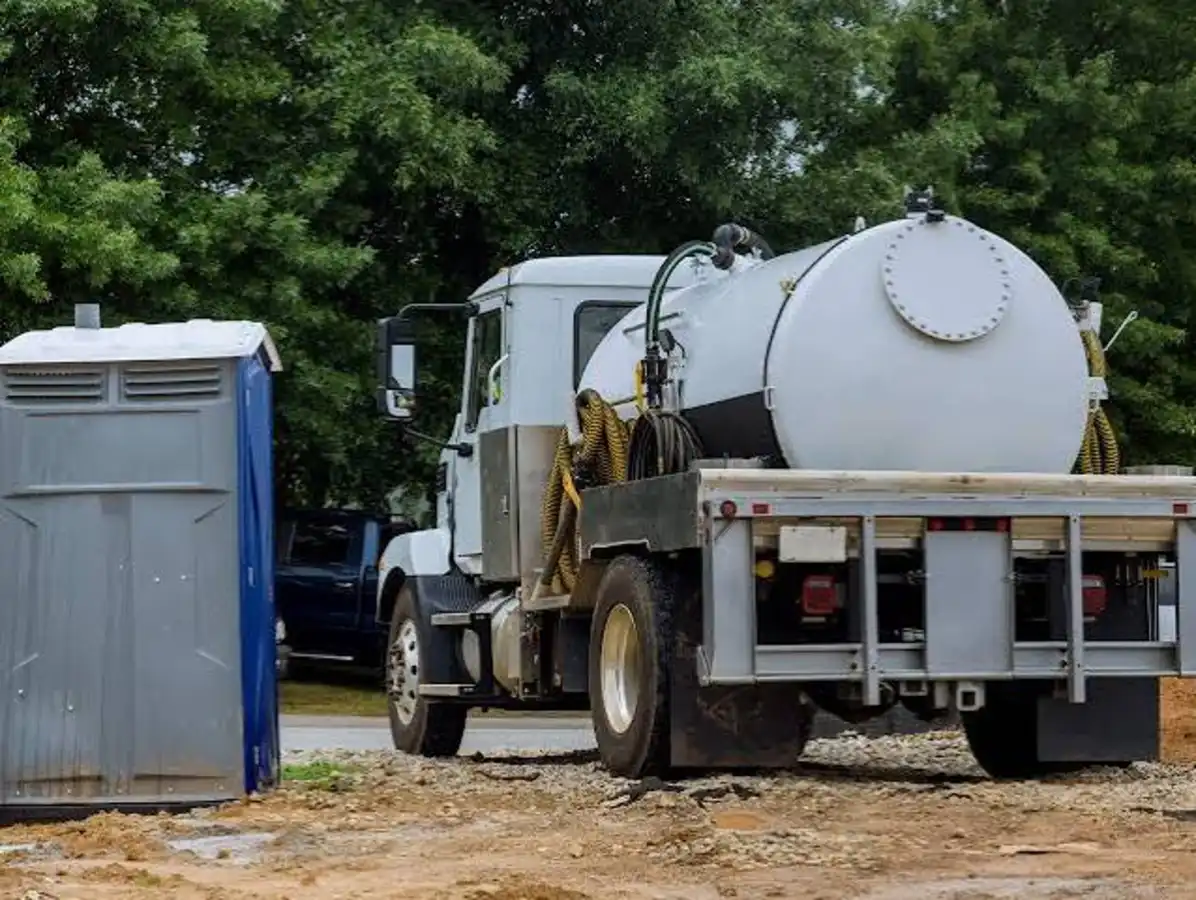
The Virginia Department of Health (VDH) regulates septic systems under the Sewage Handling and Disposal Regulations, with day-to-day permitting and inspection delegated to local health department Environmental Health offices across the state’s 35 health districts. VDH estimates more than 1.1 million onsite sewage systems serve Virginia properties, and it separately regulates alternative and engineered system types for sites that do not suit a conventional design.
Different Soils, Different Systems
Virginia’s geography breaks down into a few distinct septic challenges: the Coastal Plain and Tidewater region has sandy soil with a seasonally high water table, often requiring elevated or mound systems; the Piedmont has heavy red clay that percolates slowly, frequently calling for low-pressure-pipe or drip irrigation systems; and the Shenandoah Valley’s karst limestone terrain can require extra setbacks or advanced treatment to account for sinkholes and underground cavities.
Chesapeake Bay Preservation Act Requirements
In Chesapeake Bay Preservation Areas, state and local rules require septic tanks to be pumped out or inspected at least once every five years. In the rural coastal region covering the Eastern Shore, Middle Peninsula, and Northern Neck, VDH has directly managed pump-out compliance since July 2023, logging thousands of recorded pump-outs. Compliance can be met by pumping, by an inspection confirming pumping isn’t yet needed, or by installing a VDH-approved effluent filter.
Coastal Flooding and Aging Systems
Conventional Virginia drain fields require at least 18 inches of unobstructed dry soil beneath them, a requirement that rising groundwater from tidal flooding and sea-level rise is making harder to meet in low-lying coastal communities. Keeping a system pumped and inspected on schedule is one of the most effective ways to catch a compromised drain field before it fails outright.
Signs You Need Septic Tank Pumping in Virginia
A septic tank that’s overdue for pumping usually gives some warning. Watch for slow-draining sinks and tubs, gurgling sounds in the plumbing, sewage odors near the tank or drainfield, standing water or unusually green grass over the tank area, and sewage backing up into toilets or drains. Any of these signs means it’s time to schedule pumping before a minor issue turns into a costly backup or system failure. Catching problems early also protects the drainfield, which is typically the most expensive part of a septic system to repair or replace, and it spares a household the disruption of an emergency service call.
What to Expect From Septic Tank Pumping in Virginia
Most service calls follow the same basic process: a technician locates and uncovers the tank’s access lid, uses a vacuum truck to remove the accumulated solids and scum, and inspects the tank, baffles, and lid for cracks or damage while it’s open. Regular, on-schedule pumping keeps solids from washing into the drainfield, where they can clog the soil and cause costly, sometimes irreversible damage over time. Most households can expect the whole visit to take under an hour for a routine pumping, though a tank that’s severely overdue or hard to access may take longer. For general guidance on caring for a septic system between services, the EPA’s septic systems overview covers everyday maintenance tips homeowners can follow.
Choosing a Septic Pumping Company in Virginia
Not every company that advertises septic service is licensed to work on it. Before booking, confirm the company holds any required state or local license, carries liability insurance, and can tell you the size of your tank and roughly how often it should be pumped based on household size and usage. A reputable provider will also inspect the tank’s baffles and lid condition while they’re on-site rather than just emptying it and leaving, since catching a small repair early is far cheaper than replacing a failed drainfield later. It’s also worth asking whether the company disposes of septage at a licensed treatment facility, since proper disposal is part of doing the job responsibly and keeping local water resources protected.
Cities We Serve in Virginia
We connect homeowners with licensed septic pumping professionals across Virginia, including these areas:
- Virginia Beach, Virginia
- Richmond, Virginia
- Norfolk, Virginia
- Chesapeake, Virginia
- Arlington, Virginia
- Roanoke, Virginia
- Charlottesville, Virginia
- Fredericksburg, Virginia