If you’ve got an aerobic treatment unit (ATU) instead of a plain gravity tank, an aerobic treatment unit inspection isn’t optional — it’s usually written right into your permit. I’ve serviced hundreds of these systems, and the ones that hold up longest all have one thing in common: an owner who never let an inspection slide. Here’s what actually happens during an aerobic treatment unit inspection, how often you really need one, and what it should cost you.
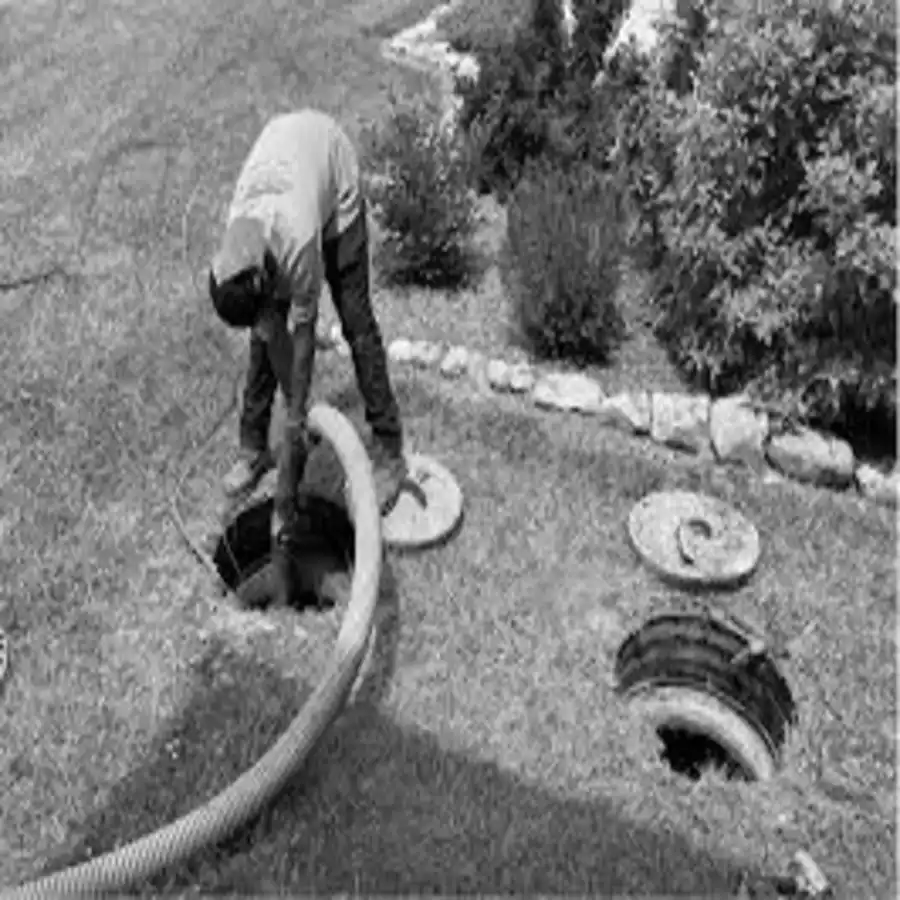
What Is an Aerobic Treatment Unit, and How Is It Different From a Regular Tank?
A conventional septic tank is a passive box — waste settles, bacteria that don’t need oxygen break it down slowly, and the liquid moves out to a drain field. An ATU adds a motor-driven aerator that pumps air into the tank, which lets a different type of bacteria (the oxygen-loving kind) break down waste faster and cleaner. Some ATUs also add a chlorine tablet feeder or UV light to disinfect the water before it’s discharged, especially on systems that spray treated water onto the lawn instead of running it through a buried drain field.
That extra machinery is exactly why ATUs need more attention than a conventional tank. A gravity system has almost nothing to break; an ATU has a motor, an air pump, sometimes a chlorinator or spray heads, and an alarm panel — and every one of those parts wears out eventually.
Aerobic Treatment Unit Inspection: How Often Is It Required?
Most manufacturers and health departments require an ATU maintenance contract that includes an inspection two to three times a year — commonly every four months. That’s not a suggestion; in most jurisdictions it’s a condition of your operating permit, and skipping it can put you out of compliance without you even knowing until you try to sell the house.
The exact rule depends a lot on where you live, and this is where it pays to know your local health department instead of guessing:
- In much of Florida, the state health department requires biannual (twice-a-year) inspections on ATUs because of the high water table — the soil has less natural filtering capacity, so the state leans harder on mechanical treatment doing its job.
- Several counties across North Carolina, South Carolina, and Georgia follow a similar four-month service interval, often tied to the original NSF-certified maintenance plan for the specific brand of unit installed.
- In parts of Texas regulated under TCEQ rules, aerobic systems with spray irrigation typically need quarterly inspections specifically because the spray heads are exposed and more likely to clog or malfunction without anyone noticing.
- Colder states in the Upper Midwest and Northeast see fewer ATUs overall (conventional systems are more common where ground doesn’t drain as fast), but where they are installed, service intervals are usually timed around spring startup and fall shutdown to protect the aerator motor from a hard freeze.
If you’re not sure what your area requires, your maintenance contract or county health department file will say — and if you inherited the system from a previous owner, it’s worth digging that paperwork up before you assume you’re covered.
What Happens During an Aerobic Treatment Unit Inspection
A real inspection is more than popping the lid and looking in. A technician who knows what they’re doing will check:
- The aerator motor — listening for grinding, humming that’s too loud, or a motor that isn’t running at all
- Effluent clarity and odor — clear, odorless water means the aerobic process is working; cloudy, dark, or foul-smelling water means the bacteria colony has crashed or the tank is overloaded
- Sludge and scum levels — even aerobic systems build up solids over time and need pumping periodically, just less often than a conventional tank
- The chlorinator or UV unit, if installed — tablets need refilling and UV bulbs do burn out
- Spray heads or drip lines, on systems that irrigate — checking for clogging, misalignment, or heads spraying onto a driveway or neighbor’s yard instead of your own lawn
- The alarm panel — testing that the audible and visual alarms actually trigger, since a silent alarm is worse than no alarm at all
You’ll typically get a written report after the visit, which matters more than people expect — that paperwork is what a buyer’s inspector or your county will ask for at closing.
Signs Your Aerobic System Needs Service Now, Not at the Next Scheduled Visit
- The alarm is going off (even if you’ve muted it out of habit — don’t ignore a beeping panel)
- Effluent looks cloudy, gray, or has a strong sewage smell instead of the mild, earthy smell of a healthy aerobic system
- Spray heads are misting constantly, pooling water, or not spraying at all
- You notice the aerator has gone quiet — no hum, no bubbling
- Grass over the spray zone or drain field is unusually green, spongy, or has standing water
Any one of these is worth a call before your next scheduled inspection. Catching a dead aerator or a clogged spray head early is a same-day fix; letting it run untreated for weeks can turn into a compliance violation or a drain field problem that costs a lot more to fix.
What an ATU Inspection and Service Contract Costs
A standalone inspection visit typically runs $75 to $150. Most owners are on an annual maintenance contract instead, which bundles two to three inspections a year for roughly $250 to $450 annually — usually required by your permit anyway, so it’s not really optional spending. Pumping the tank, when it’s needed, is billed separately and runs close to what a conventional tank pump-out costs. Replacing a worn aerator motor generally falls between $400 and $900 depending on the brand and how accessible the unit is.
Frequently Asked Questions
Is an aerobic treatment unit inspection different from a septic tank inspection?
Not exactly. Both treat wastewater on your property, but an aerobic treatment unit actively pumps air into the tank to speed up and improve treatment, while a conventional septic tank relies on gravity and slower bacterial action. ATUs are usually required where soil conditions — like a high water table or dense clay — make a conventional system less reliable.
Can I skip my ATU’s maintenance contract to save money?
In most places, no — the service contract is a condition of your operating permit, not an optional upgrade. Letting it lapse can put your system out of compliance, and that’s a real problem if you ever sell the home, since most real estate transactions require proof of current septic compliance.
What happens if I ignore an ATU alarm?
The alarm is telling you the aerator has stopped, the tank is overfilling, or a float switch has failed. Ignoring it risks untreated or partially treated sewage reaching your drain field or spray zone, which can mean a straight sewage smell in your yard, a compliance violation, or in the worst cases, a backup into the house.
Related Reading
- Septic Learning Center — the full guide library
- 10 Warning Signs Your Septic Tank Needs Pumping Now
- Septic Tank Pumping Cost: 2026 National Cost Guide
Aerobic Treatment Unit Inspection: Getting Professional Help
Most permits require a licensed provider to handle your aerobic treatment unit inspection on a fixed schedule, not just when something seems wrong. The EPA\u2019s overview of septic system components covers why the aeration and disinfection stages in an ATU need more frequent attention than a standard gravity tank. If your inspection is overdue or you noticed an alarm, visit our contact page to schedule a licensed technician before the missed inspection becomes a permit violation.