Warning signs your septic tank needs pumping include slow drains, gurgling pipes, sewage odors, and soggy patches over the drain field. Catching these signs early can save you from a messy backup or an expensive emergency call. Here are the 10 clearest signals that it’s time to schedule a pumping.
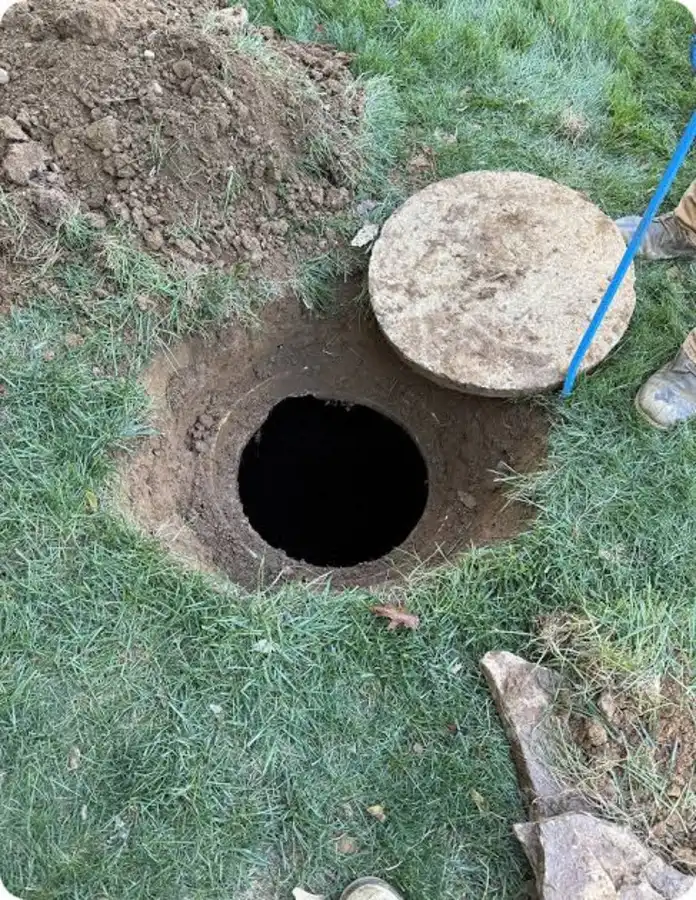
The 10 Warning Signs to Watch For
- Slow drains in multiple sinks, tubs, or showers at once
- Gurgling sounds coming from drains or toilets
- Sewage odors indoors, near drains, or in the yard
- Pooling water or soggy, spongy spots over the tank or drain field
- Unusually green, lush grass over the drain field compared to the rest of the yard
- Sewage backing up into toilets, tubs, or floor drains
- Toilets that flush slowly or require multiple flushes
- Standing water or dampness around the septic tank lid
- It’s been more than 3-5 years since your last pumping
- Loud gurgling when the washing machine or dishwasher runs alongside other fixtures
Why Ignoring These Signs Is Risky
A septic tank that’s too full doesn’t fail gracefully. Once solids build up past the outlet baffle, they flow into the drain field and clog the soil that’s supposed to filter wastewater. That kind of damage is expensive and sometimes irreversible, often turning a $300-$600 pumping bill into a $5,000-$15,000 drain field replacement. Backups can also introduce raw sewage into your home, which is a health hazard as well as a cleanup headache.
What to Do If You Notice These Signs
Cut back on water use right away, especially laundry and long showers, to reduce pressure on the system. Then schedule a licensed septic technician to inspect and pump the tank. A pro can also tell you whether the drain field itself needs attention or whether pumping alone will solve the problem.
Frequently Asked Questions
Can I wait a few more weeks if I notice slow drains?
It’s risky. Slow drains are usually one of the earliest signs, which means you still have a window to act before a backup happens, but that window can close in days rather than weeks if the tank is already near capacity. It’s best to schedule pumping as soon as you notice the pattern.
Will pumping fix a backup that has already happened?
Pumping removes the excess solids causing the backup, but it won’t undo damage already done to a clogged drain field. If backups keep happening after a fresh pumping, have a technician inspect the drain field separately.
Related Reading
- How Often Should You Pump Your Septic Tank? (Complete Guide)
- Septic Tank Pumping Cost: 2026 National Cost Guide
- Septic Tank Pumping vs. Septic Tank Cleaning: What’s the Difference?
Warning Signs Your Septic Tank Needs Pumping: Getting Professional Help
If you are noticing any of the warning signs your septic tank needs pumping above, do not wait for a full backup to call for service. The EPA explains how a septic system is designed to work, and why ignoring these signs for too long can force wastewater back into your home or damage the drain field, which is the most expensive part of the system to replace. If you have spotted slow drains, gurgling pipes, soggy spots in the yard, or sewage odors, reach out through our contact page so a licensed technician can inspect your tank and pump it before a small problem turns into an emergency.
How fast should I act on these warning signs?
Slow drains or occasional gurgling can often wait for a scheduled appointment within a week or two. Standing water over the drain field, sewage backing up into a drain, or a strong sewage smell indoors are urgent warning signs your septic tank needs pumping immediately, and should be treated as a same-day call.