Commercial and HOA septic pumping works differently from residential service: residential septic advice mostly falls apart once you’re managing a system for a restaurant, an HOA-run community drain field, a strip mall, or a small apartment complex. The tanks are bigger, the usage patterns are different, and the regulatory paperwork is a different animal entirely. Here’s what actually changes.
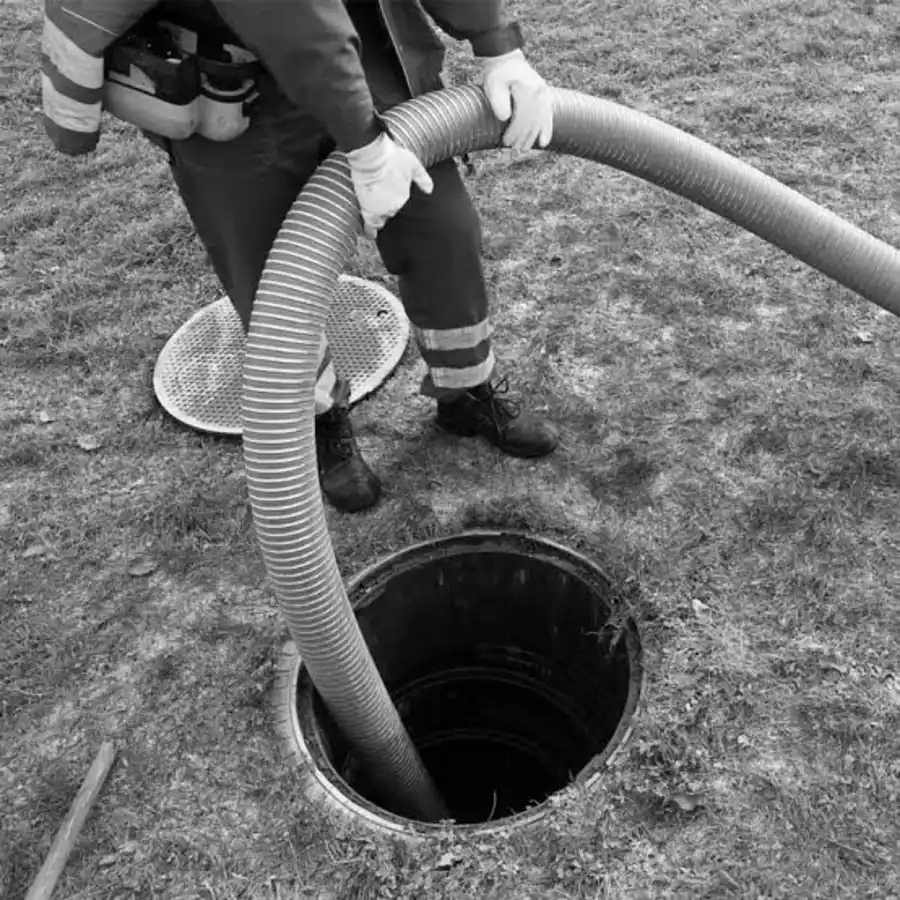
Why Commercial and HOA Septic Pumping Needs a Different Approach
A single-family home sends maybe 200-300 gallons of wastewater through its tank per day. A restaurant, laundromat, or a shared HOA system serving a dozen homes can push that into the thousands, with far more solids, grease, and chemical variation in the flow. That changes three things: how often the tank needs service, what the inspector is checking for, and who’s actually responsible for keeping records.
Pumping Frequency: Commercial vs. Residential
- Restaurants and food service: Grease interceptors typically need pumping every 1-3 months, separate from the main septic tank, which itself may need quarterly to semi-annual service depending on covers and volume.
- HOA-managed community systems: Shared drain fields serving multiple homes are usually pumped on a fixed schedule set by the state or county — often annually — rather than the “every 3-5 years” rule of thumb for a single home, since more households means less margin for error before the field is overloaded.
- Office buildings and retail: Lower solids load than food service, but higher water volume from restrooms; annual to biennial pumping is typical.
- Apartment and multi-unit complexes: Pumping schedules scale with unit count — a 20-unit building on a shared system often needs service 2-4 times a year.
Regulatory & Record-Keeping Differences
This is where commercial and HOA systems diverge most from residential ones:
- Manifests and disposal tracking. Many states require commercial septic and grease trap pumping to be documented with a manifest showing where the waste was hauled and disposed of — a paper trail residential customers rarely need.
- Health department inspections. Restaurants and multi-family properties are often subject to scheduled inspections tied to their food service or occupancy license, not just septic-specific rules.
- HOA governing documents. Many HOAs are contractually required (via their CC&Rs or state homeowner-association law) to maintain a reserve fund and a documented maintenance schedule for shared septic infrastructure — something a homeowner board should keep on file for legal and resale reasons.
- Operating permits. Larger commercial systems above a certain flow threshold may require a state-issued operating permit renewed annually, separate from the original installation permit.
What a Commercial or HOA Pumping Visit Involves
- Volume assessment — larger tanks often need multiple truck trips or a higher-capacity vacuum truck
- Grease trap or interceptor service, if applicable, handled separately from the main tank
- Solids and scum layer measurement to confirm service is actually due, not just scheduled
- Manifest documentation for the property manager, HOA board, or business owner’s records
- A written report suitable for HOA board meetings, lease compliance, or health department files
What It Costs
- Small commercial tank (restaurant, small office): $300-700 per pump-out, plus $150-400 for grease interceptor service if separate
- HOA shared drain field system: Often billed per-gallon or as a flat annual service contract, commonly $1,000-5,000+ per year depending on the number of homes served
- Multi-unit residential (apartments): $500-2,000 per visit depending on tank size and unit count
Most commercial and HOA clients do best with an annual service contract rather than calling reactively — it locks in your rate, keeps the required documentation organized in one place, and avoids the higher cost of an emergency call when a system backs up during business hours.
Frequently Asked Questions
Who is responsible for septic maintenance in an HOA community — the HOA or individual homeowners?
It depends entirely on the governing documents. Shared systems serving multiple lots are almost always the HOA’s responsibility, while systems fully contained on one homeowner’s property are typically that owner’s responsibility. Check your CC&Rs or ask your HOA management company directly.
Do restaurants need a separate grease trap service from septic pumping?
Yes — grease interceptors and the main septic tank are serviced separately, often on different schedules, since grease traps fill much faster than the tank itself.
Can a residential septic company handle commercial or HOA systems?
Many can, but confirm they carry the right equipment for larger tank volumes and are familiar with your state’s manifest and reporting requirements before booking — not every residential-focused crew handles commercial documentation regularly.
Related Reading
- Septic Learning Center — Full Guide Library
- Grease Trap Pumping: Frequency, Cost & Signs
- Septic Tank Pumping Cost: 2026 National Cost Guide
Commercial and HOA Septic Pumping: Getting Professional Help
Commercial and HOA septic pumping usually comes with permit and record-keeping requirements that a residential visit does not. The EPA\u2019s overview of septic system components explains why higher-volume systems need closer monitoring to avoid overloading the drain field. If you manage a commercial property or HOA community and need to schedule commercial and HOA septic pumping, reach out through our contact page and a licensed crew experienced with larger systems can set up the right schedule.