Knowing how to locate your septic tank saves you a lot of guesswork — every septic homeowner eventually asks the same question: “where exactly is my tank?” Maybe you’re selling the house, maybe the toilets are draining slow and you want to check the lid yourself, or maybe you just moved in and the previous owner didn’t leave a diagram. Either way, there are faster ways to locate your septic tank than guessing with a shovel.
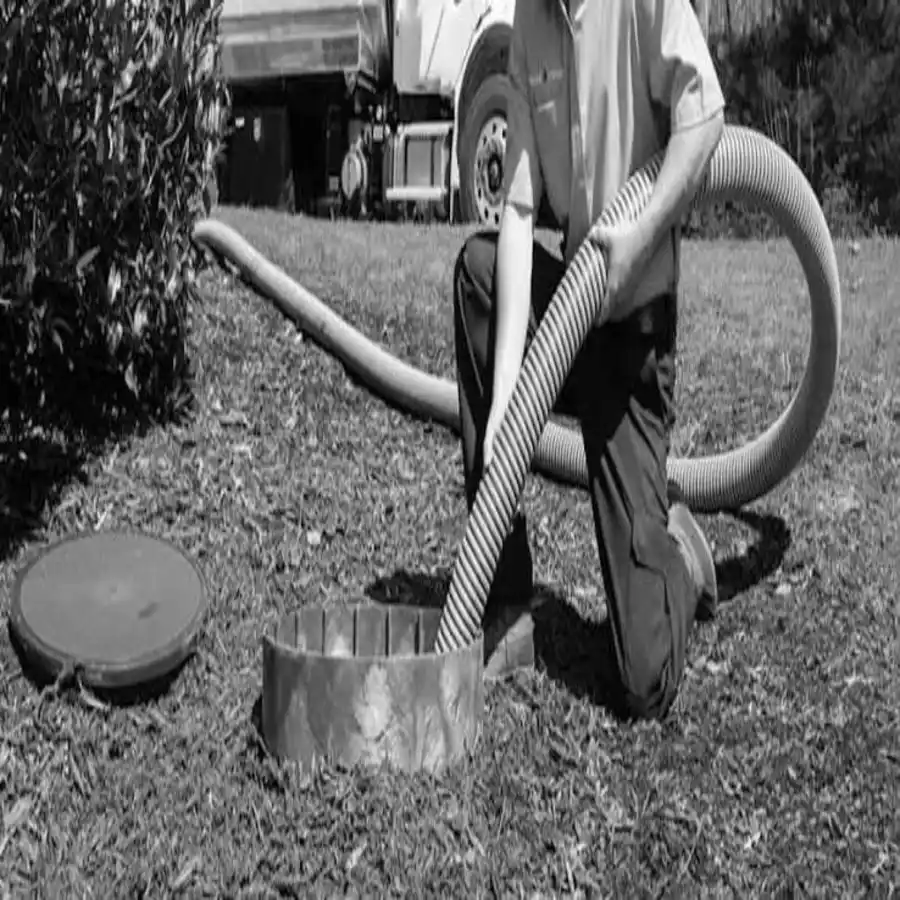
Here’s the order our pros actually go through when a homeowner doesn’t know where their tank is.
Start With the Paper Trail
- County health department records. Most counties keep septic permit files with an as-built diagram showing tank location, distances from the house, and drain field layout. This is usually the fastest, most reliable method — a quick call or online records request often gets you a copy.
- Your home inspection report or seller’s disclosure. If the septic system was inspected when you bought the house, the report sometimes includes a sketch or GPS coordinates.
- The original builder or septic installer. Older, family-owned installation companies sometimes keep records going back decades.
Physical Clues in the Yard
If there’s no paperwork, the yard itself usually tells the story:
- Follow the plumbing. Find where the main sewer line exits your basement or crawlspace foundation wall, then walk that line outward in a straight path — tanks are almost always 10-25 feet from the house, directly in line with that exit point.
- Look for a slight mound or depression. A rectangular patch of ground that’s slightly raised (fill settling) or sunken (soil compaction over the tank) is a strong clue.
- Watch the grass. Grass over the tank often grows faster and greener (nutrient leaching) or, during dry spells, browns out faster than the surrounding lawn because the soil profile is different.
- Check for a visible lid or riser cap. Sometimes a small round or square cover is already at grade, just hidden under grass or a light layer of soil — a metal detector or magnetic locator can pick up on rebar-reinforced concrete lids.
How to Locate Your Septic Tank Faster With the Right Tools
- Probe rod. A long, thin steel rod pushed into the ground every foot or so along the suspected line — it’ll hit solid resistance (the tank lid) instead of sinking easily into soil.
- Septic tank locator / metal detector. Many tanks (or their lids) have enough metal reinforcement to register on a basic locator, especially concrete tanks.
- Camera line inspection. A plumber or septic tech can run a camera down the main line from a cleanout or toilet drain, tracking the transmitter’s signal from above ground to pinpoint the tank precisely — the most reliable option when the paper trail is dead and the yard gives no clues.
Regional Notes on Tank Location
- Older homes in the Northeast and Midwest often have tanks set deeper (2-4 feet) to stay below the frost line, which makes probing harder — a camera locate is usually worth the cost here.
- Homes in Florida and the Gulf Coast frequently have shallower tanks due to the high water table, sometimes just 12-18 inches down, which makes probe rods and visual clues more effective.
- Rural Southwest properties on larger lots sometimes have longer runs from house to tank (40+ feet), so following the straight-line plumbing path matters even more since there’s more ground to cover.
What It Costs to Have a Pro Locate Your Tank
If you’d rather not spend an afternoon probing your own yard:
- $75-150 for a standard locate-and-mark visit using a probe rod and locator
- $150-300 for a camera line locate, which also gives you a look at pipe condition
- Many companies waive or discount this fee if you schedule a pump-out at the same visit, since they’ll need to find the lid anyway
Once your tank is located, installing a septic tank riser means you’ll never have to go through this search again.
Frequently Asked Questions
How deep is a septic tank buried?
Typically 12 inches to 4 feet, depending on your region’s frost line, the tank’s age, and local installation standards. Newer tanks are often set shallower specifically to make future service easier.
Can I use a metal detector to find a plastic septic tank?
It’s less reliable — plastic and fiberglass tanks have little to no metal to detect, though the lid or riser hardware sometimes does. A probe rod or camera locate works better for non-concrete tanks.
What if I still cannot locate my septic tank at all?
This is common with older homes. A camera line locate from a plumbing cleanout is the most reliable fallback — it traces your actual pipe run rather than relying on old paperwork that may not exist.
Related Reading
- Septic Learning Center — Full Guide Library
- Septic Tank Riser Installation: Cost & Benefits
- 10 Warning Signs Your Septic Tank Needs Pumping Now
How to Locate Your Septic Tank: Getting Professional Help
If paper records and yard clues do not get you there, a licensed technician has tools built specifically for this. The EPA’s overview of septic system layouts explains why tank placement varies so much by soil type and lot size, which is exactly why a professional locate saves time compared to guessing. If you still cannot find yours, reach out through our contact page and a technician can show you how to locate your septic tank quickly using proper equipment.