When it comes to septic tank pumping vs cleaning, the two terms sound interchangeable but describe very different levels of service. Pumping removes the liquid layer and the floating scum at the top of the tank; cleaning goes further, breaking up and removing the solid sludge layer at the bottom too. Here is exactly what each one includes, what it costs, and which one your system needs right now.
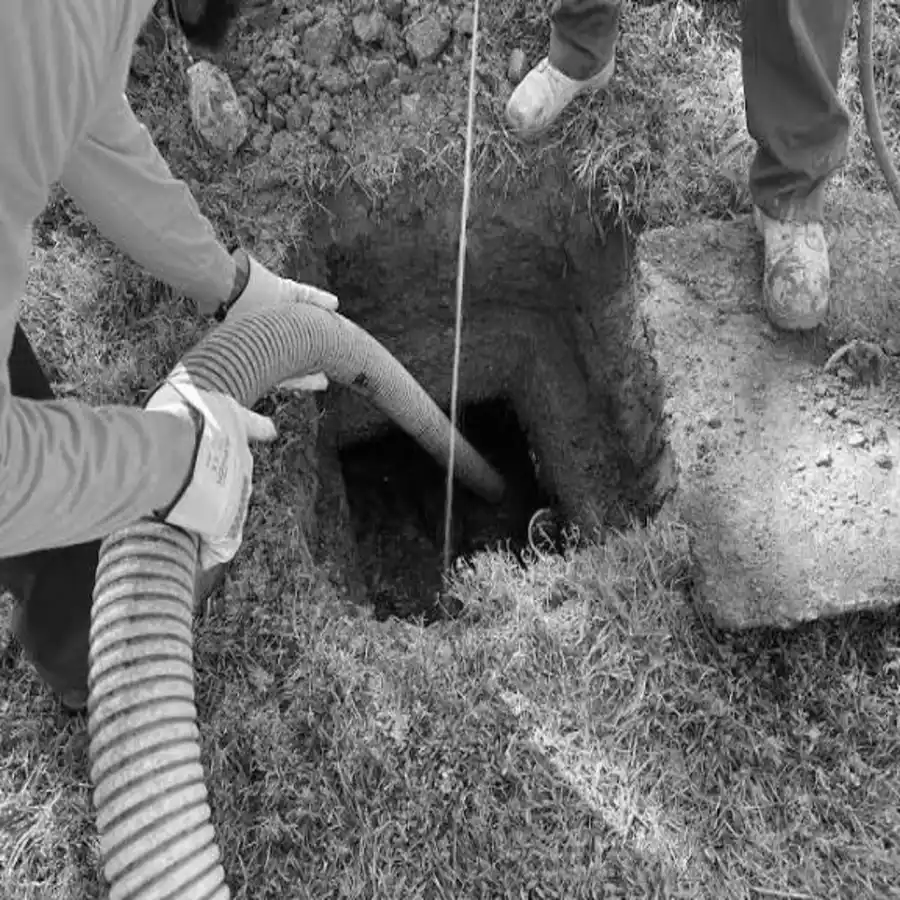
What Septic Tank Pumping Includes
A pump-out uses a vacuum truck to remove the liquid layer and the floating scum at the top of the tank. It is the routine maintenance service most homes need every 3 to 5 years, and it is what people usually mean when they say pump my septic tank. A standard pump-out typically runs $300-$550 and takes 30-60 minutes for an average residential tank.
What Septic Tank Cleaning Includes
A full cleaning includes everything in a pump-out, plus agitating and breaking up the compacted sludge layer at the bottom of the tank so it can be fully removed. A technician typically uses a high-pressure hose or mechanical agitator to loosen solids that a simple pump-out would leave behind. This deeper service costs more, usually $350-$750, and is not needed at every visit, but skipping it for too many cycles in a row lets sludge build up and shortens the life of your drain field.
Septic Tank Pumping vs Cleaning: Cost Comparison
Side by side, a routine pump-out ($300-$550, every 3-5 years) is the baseline service almost every homeowner needs on a schedule. A full cleaning ($350-$750, roughly every other pumping cycle or when sludge measurements call for it) costs more per visit but protects the drain field from solids that a pump-out alone will not remove. Choosing between septic tank pumping vs cleaning at any given visit really comes down to what the technician measures in the tank, not a fixed calendar rule.
Which One Does Your System Need?
You cannot tell from the surface, which is why a technician measures the scum and sludge layers with a dedicated tool before recommending one or the other. If you have never had a full cleaning, or it has been more than two pumping cycles since your last one, mention that when you book so the technician can plan for the extra time. Most homeowners find it easiest to just ask directly: request that the technician measure and report both layers before deciding between a pump-out and a full cleaning.
Frequently Asked Questions
Is septic tank cleaning necessary every time?
No. Most tanks only need a full cleaning every other pumping visit. A technician will tell you if your sludge layer is thick enough to need it this time.
Will a company automatically upsell me to a full cleaning?
A trustworthy provider will not. Ask upfront how they determine whether cleaning is needed, and expect them to explain it based on measured sludge and scum levels, not a flat fee added to every visit.
How long does each service take?
A standard pump-out usually takes 30-60 minutes for an average residential tank. A full cleaning takes longer, often 60-90 minutes, since the technician has to agitate and break up the compacted sludge before the vacuum truck can remove it.
Septic Tank Pumping vs Cleaning: Getting Professional Help
If you are not sure which service your system is due for, the safest move is to have a licensed technician measure the scum and sludge layers before you book anything. The EPA overview of how septic systems work explains why letting sludge build up past a safe level can damage the drain field, which is the most expensive part of a system to replace. When you are ready to schedule, our contact page makes it easy to reach a licensed crew who can tell you, on site, whether you need a routine pump-out or a full cleaning.
Related Reading
How Often Should You Pump Your Septic Tank | Septic Tank Pumping Cost Guide | Warning Signs Your Septic Tank Needs Pumping