Septic tank pumping in Arizona keeps a home’s wastewater system working safely, and getting it right means knowing both the state’s rules and the service itself.
Arizona’s desert climate might seem easy on a septic system, but hard, caliche-layered soil, monsoon flash flooding, and huge swings between low-desert valleys and high-elevation mountain towns make site conditions vary more than most homeowners expect. What works on a low-desert lot outside Phoenix can be the wrong design entirely up in Flagstaff.
How Septic Systems Are Regulated in Arizona
The Arizona Department of Environmental Quality (ADEQ) holds statewide authority over onsite wastewater treatment facilities, but it delegates permitting to each of Arizona’s 15 counties, which issue approvals on ADEQ’s behalf. That means a homeowner applies directly to their county health or environmental services department rather than to the state. With more than 600,000 septic systems already in use across Arizona, ADEQ maintains an Onsite Wastewater Advisory Committee to help keep technical standards current as conditions and technology change.
Caliche Soil, Monsoon Flooding, and High-Elevation Terrain
Much of low-desert Arizona sits over caliche, a hardened, cement-like calcium carbonate layer that can stop water from draining the way a standard leach field needs it to, often forcing alternative designs on affected lots. Arizona’s monsoon season brings intense, short-duration rainfall that can temporarily flood or saturate a drain field even in a normally bone-dry climate, which is part of why county-level site evaluation matters so much. In the state’s higher-elevation areas, around Flagstaff and the Mogollon Rim, conditions flip toward thinner mountain soils, volcanic rock, and a genuine winter freeze that low-desert Arizona never sees, making these two ends of the state effectively different design environments.
System Types and Pumping
A conventional septic tank and leach field is common wherever soil drainage allows it, but caliche-affected or high-elevation lots often call for alternative designs such as engineered sand filters, pressure-dosed systems, or evapotranspiration beds suited to Arizona’s dry climate. As with most of the country, a typical household tank should be pumped roughly every three to five years, with the right interval depending on household size, tank capacity, and usage.
Signs You Need Septic Tank Pumping in Arizona
A septic tank that’s overdue for pumping usually gives some warning. Watch for slow-draining sinks and tubs, gurgling sounds in the plumbing, sewage odors near the tank or drainfield, standing water or unusually green grass over the tank area, and sewage backing up into toilets or drains. Any of these signs means it’s time to schedule pumping before a minor issue turns into a costly backup or system failure. Catching problems early also protects the drainfield, which is typically the most expensive part of a septic system to repair or replace, and it spares a household the disruption of an emergency service call.
What to Expect From Septic Tank Pumping in Arizona
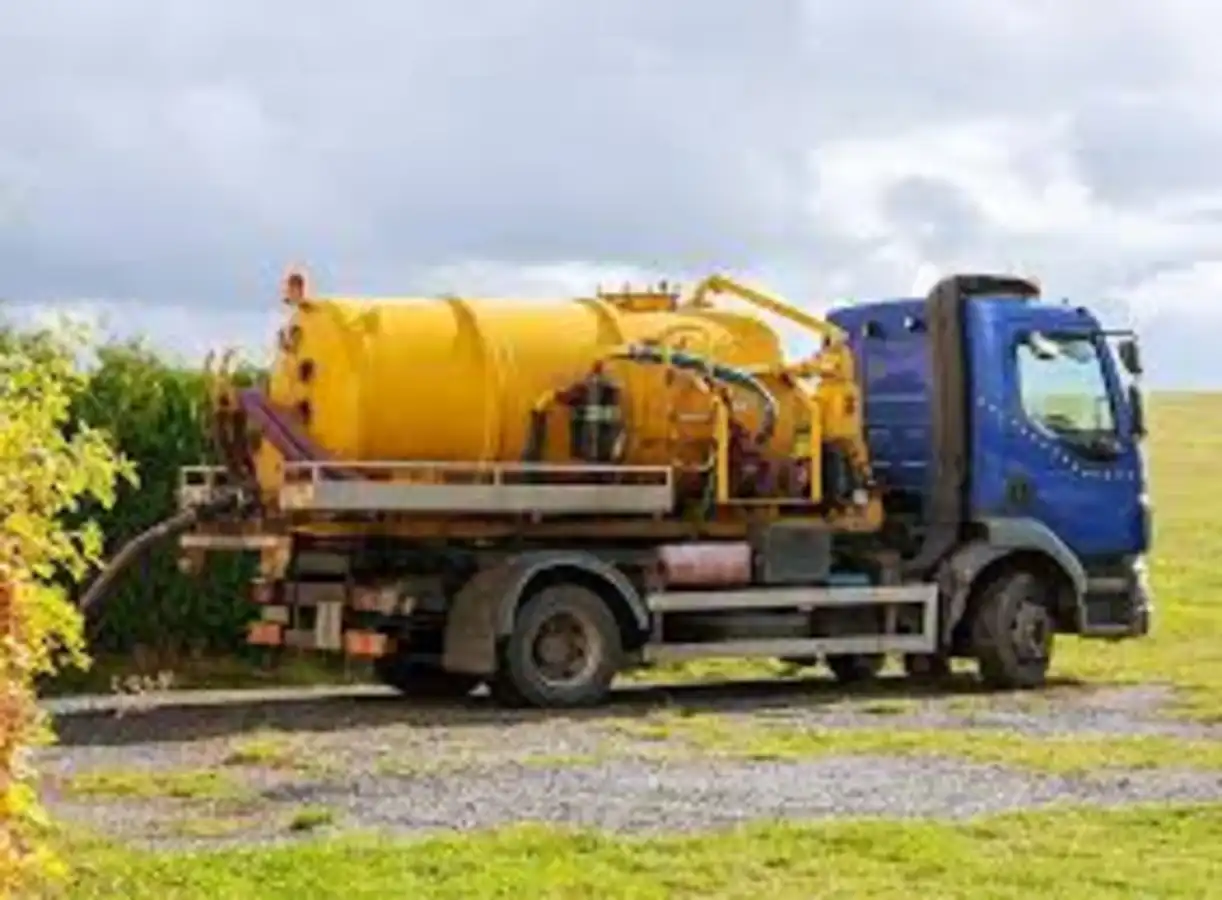
Most service calls follow the same basic process: a technician locates and uncovers the tank’s access lid, uses a vacuum truck to remove the accumulated solids and scum, and inspects the tank, baffles, and lid for cracks or damage while it’s open. Regular, on-schedule pumping keeps solids from washing into the drainfield, where they can clog the soil and cause costly, sometimes irreversible damage over time. Most households can expect the whole visit to take under an hour for a routine pumping, though a tank that’s severely overdue or hard to access may take longer. For general guidance on caring for a septic system between services, the EPA’s septic systems overview covers everyday maintenance tips homeowners can follow.
Choosing a Septic Pumping Company in Arizona
Not every company that advertises septic service is licensed to work on it. Before booking, confirm the company holds any required state or local license, carries liability insurance, and can tell you the size of your tank and roughly how often it should be pumped based on household size and usage. A reputable provider will also inspect the tank’s baffles and lid condition while they’re on-site rather than just emptying it and leaving, since catching a small repair early is far cheaper than replacing a failed drainfield later. It’s also worth asking whether the company disposes of septage at a licensed treatment facility, since proper disposal is part of doing the job responsibly and keeping local water resources protected.
Cities We Serve in Arizona
We connect homeowners with licensed septic pumping professionals across Arizona, including these areas:
- Phoenix, Arizona
- Tucson, Arizona
- Mesa, Arizona
- Chandler, Arizona
- Scottsdale, Arizona
- Flagstaff, Arizona
- Prescott, Arizona
- Yuma, Arizona