Septic tank pumping in Maine keeps a home’s wastewater system working safely, and getting it right means knowing both the state’s rules and the service itself.
Maine’s granite bedrock sits close to the surface across much of the state, which means many rural lots have only a thin layer of soil over solid ledge rock. Add in the hundreds of lakes and miles of rocky coastline that draw strict waterfront setback rules, plus winters cold enough to freeze an underprotected tank solid, and Maine’s septic systems have to work harder than most.
How Septic Systems Are Regulated in Maine
Maine regulates subsurface wastewater disposal statewide through the Subsurface Wastewater Unit at the Maine Center for Disease Control and Prevention (Maine CDC), under the Subsurface Wastewater Disposal Rules, 10-144 CMR Chapter 241. Local plumbing inspectors, appointed by each municipality, handle permitting and inspection on the ground, working from the same statewide rule book. Site evaluations and system designs must come from licensed Site Evaluators, and installation work falls to licensed Third Party Inspectors or certified installers, both tracked through Maine CDC’s own licensing program.
Ledge Rock, Lakes, and Cold Winters
Shallow soil over granite ledge is one of the most common site limitations in rural Maine, often forcing a raised or engineered system where a standard buried drain field simply won’t fit. Waterfront lots near Maine’s lakes and coastline face setback requirements that commonly run 100 feet or more from the water, on top of soil evaluations meant to keep effluent out of the water table. Winters cold enough to freeze the ground deep also mean tanks and pipes need enough burial depth or insulation to keep working through the season, a detail that matters more in Maine than in most of the country.
System Types and Pumping
A conventional gravity septic tank and disposal field remains standard wherever soil depth over ledge is sufficient. On shallow, rocky, or waterfront lots, Maine’s rules commonly call for raised or mound-style systems that build up the disposal area rather than digging down into bedrock, along with advanced treatment options like aerobic treatment units on the most sensitive sites. As in most of the country, a typical household tank should be pumped every three to five years, with the right interval depending on household size, tank capacity, and usage.
Signs You Need Septic Tank Pumping in Maine
A septic tank that’s overdue for pumping usually gives some warning. Watch for slow-draining sinks and tubs, gurgling sounds in the plumbing, sewage odors near the tank or drainfield, standing water or unusually green grass over the tank area, and sewage backing up into toilets or drains. Any of these signs means it’s time to schedule pumping before a minor issue turns into a costly backup or system failure. Catching problems early also protects the drainfield, which is typically the most expensive part of a septic system to repair or replace, and it spares a household the disruption of an emergency service call.
What to Expect From Septic Tank Pumping in Maine
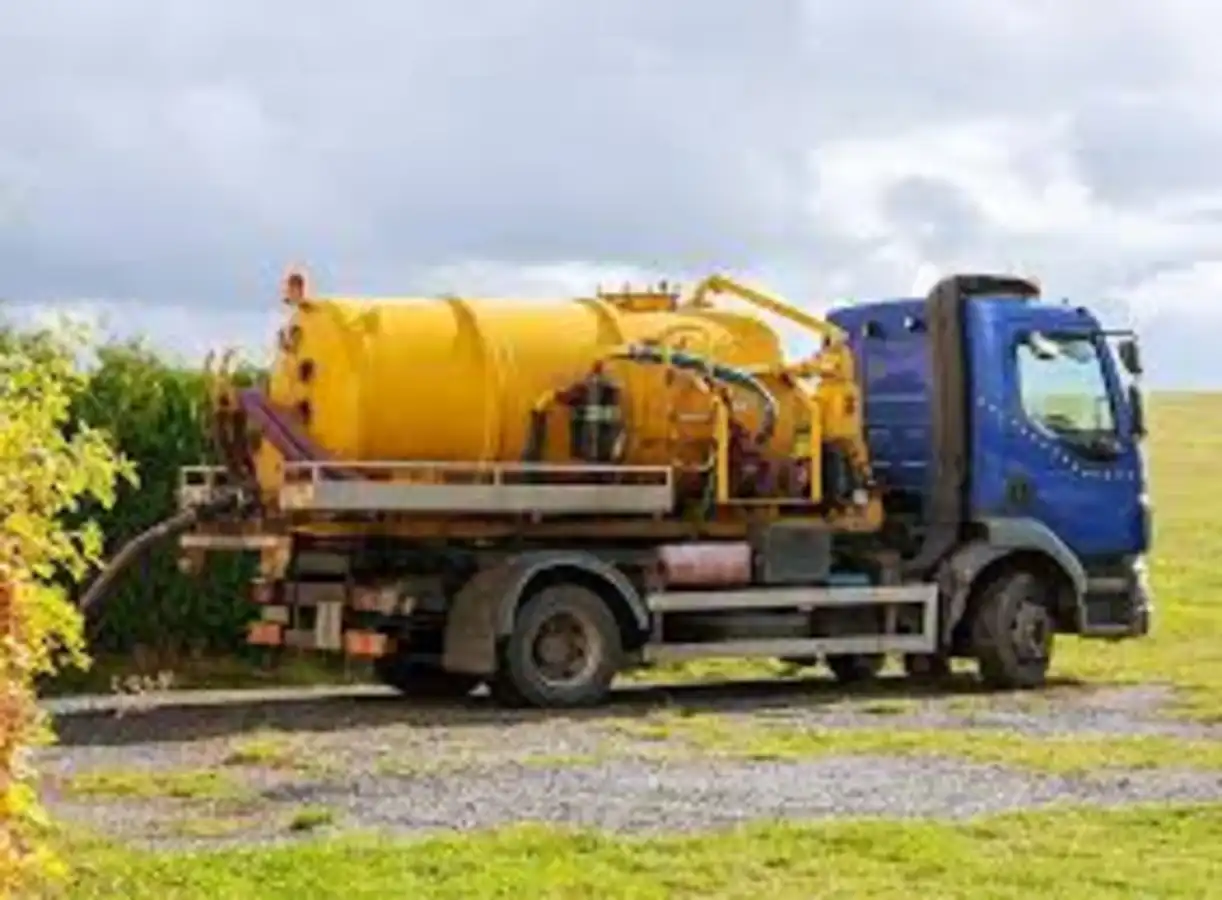
Most service calls follow the same basic process: a technician locates and uncovers the tank’s access lid, uses a vacuum truck to remove the accumulated solids and scum, and inspects the tank, baffles, and lid for cracks or damage while it’s open. Regular, on-schedule pumping keeps solids from washing into the drainfield, where they can clog the soil and cause costly, sometimes irreversible damage over time. Most households can expect the whole visit to take under an hour for a routine pumping, though a tank that’s severely overdue or hard to access may take longer. For general guidance on caring for a septic system between services, the EPA’s septic systems overview covers everyday maintenance tips homeowners can follow.
Choosing a Septic Pumping Company in Maine
Not every company that advertises septic service is licensed to work on it. Before booking, confirm the company holds any required state or local license, carries liability insurance, and can tell you the size of your tank and roughly how often it should be pumped based on household size and usage. A reputable provider will also inspect the tank’s baffles and lid condition while they’re on-site rather than just emptying it and leaving, since catching a small repair early is far cheaper than replacing a failed drainfield later. It’s also worth asking whether the company disposes of septage at a licensed treatment facility, since proper disposal is part of doing the job responsibly and keeping local water resources protected.
Cities We Serve in Maine
We connect homeowners with licensed septic pumping professionals across Maine, including these areas:
- Portland, Maine
- Bangor, Maine
- Lewiston, Maine
- Augusta, Maine
- Biddeford, Maine
- Saco, Maine
- Brunswick, Maine
- Waterville, Maine