Septic tank pumping in Massachusetts keeps a home’s wastewater system working safely, and getting it right means knowing both the state’s rules and the service itself.
Massachusetts regulates septic systems under one of the strictest state codes in the country, and for good reason: Cape Cod and the Islands sit on fast-draining sandy soil that lets nitrogen from septic systems reach coastal bays and ponds, while inland central and western Massachusetts deal with the opposite problem — dense glacial till clay that barely drains at all.
How Septic Systems Are Regulated in Massachusetts
Massachusetts septic systems fall under Title 5, the state’s environmental code at 310 CMR 15, which the Department of Environmental Protection (MassDEP) administers statewide. Local boards of health carry out day-to-day permitting, inspections, and enforcement, and courts have upheld their broad discretion to grant variances in the name of protecting public health and the environment. Title 5 requires an inspection at property transfer and periodically afterward, performed by a licensed system inspector, and soil evaluations must come from a certified soil evaluator. Since July 2023, homes in designated nitrogen-sensitive areas, mostly around Cape Cod’s watersheds, face a choice: upgrade to a nitrogen-reducing system within five years or fall under a municipal watershed permit instead.
Cape Cod’s Sandy Soil vs. Inland Clay
Cape Cod and the Islands sit on sandy, fast-draining soil that lets wastewater move through the ground quickly, which sounds like an advantage until you consider what it doesn’t filter out: nitrogen passes through largely untreated and reaches the bays and ponds that around 90% of Cape Cod’s coastal waters now report as having unacceptable water quality. With roughly 85% of Cape properties on septic, that combination of dense development, sandy soil, and heavy seasonal population is exactly why the region drives the state’s nitrogen-sensitive-area rules. Inland, across central and western Massachusetts, the challenge flips to dense glacial till clay that drains too slowly for a conventional system, requiring a different kind of engineered solution.
System Types and Pumping
A conventional Title 5 septic tank and leaching field remains standard wherever soil and site conditions allow it. On Cape Cod and in other nitrogen-sensitive watersheds, innovative/alternative (I/A) systems that actively reduce nitrogen are increasingly required, while inland clay-heavy or high-water-table lots often call for pressure-dosed or mound-style designs. As with Title 5’s periodic inspection requirement, most Massachusetts households should plan on pumping their tank every three to five years, with the exact interval depending on household size, tank capacity, and water usage.
Signs You Need Septic Tank Pumping in Massachusetts
A septic tank that’s overdue for pumping usually gives some warning. Watch for slow-draining sinks and tubs, gurgling sounds in the plumbing, sewage odors near the tank or drainfield, standing water or unusually green grass over the tank area, and sewage backing up into toilets or drains. Any of these signs means it’s time to schedule pumping before a minor issue turns into a costly backup or system failure. Catching problems early also protects the drainfield, which is typically the most expensive part of a septic system to repair or replace, and it spares a household the disruption of an emergency service call.
What to Expect From Septic Tank Pumping in Massachusetts
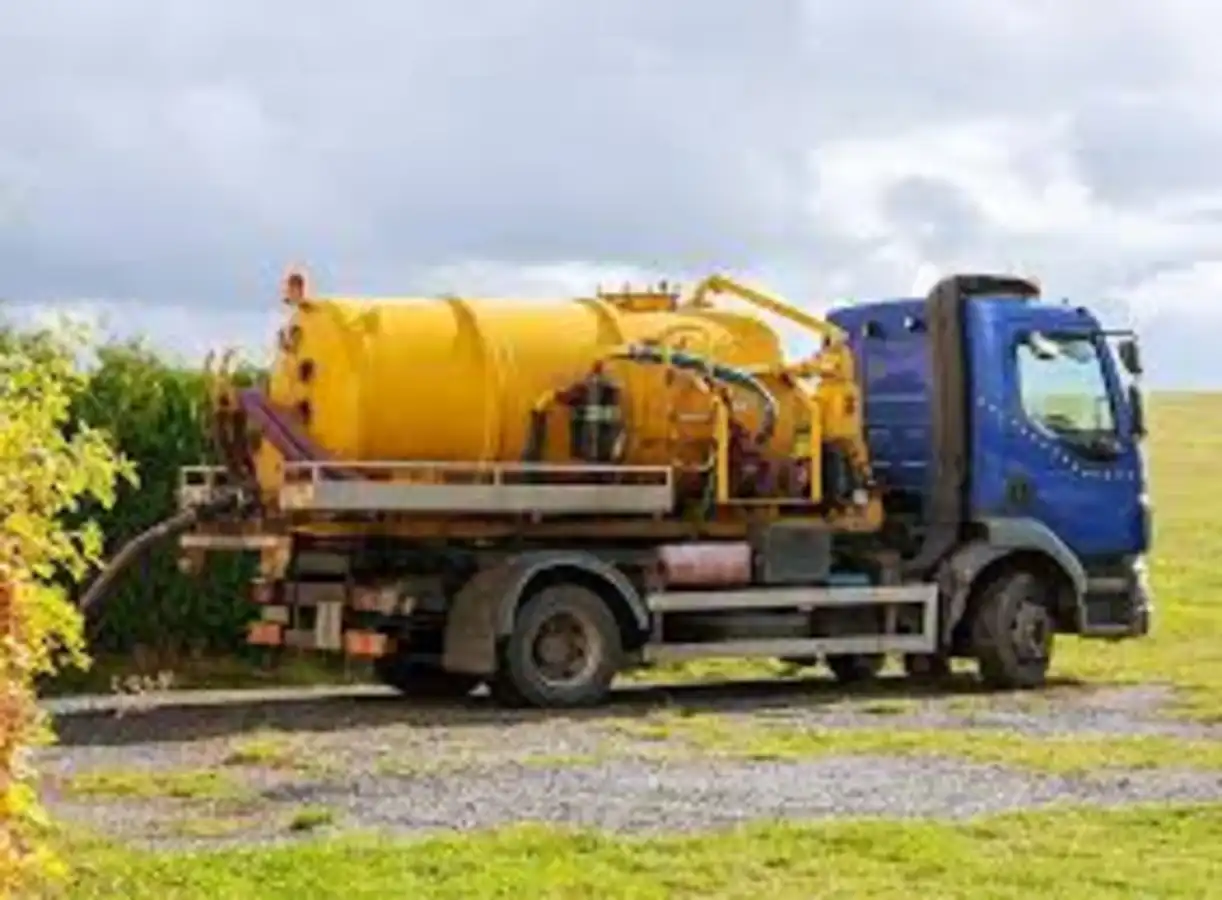
Most service calls follow the same basic process: a technician locates and uncovers the tank’s access lid, uses a vacuum truck to remove the accumulated solids and scum, and inspects the tank, baffles, and lid for cracks or damage while it’s open. Regular, on-schedule pumping keeps solids from washing into the drainfield, where they can clog the soil and cause costly, sometimes irreversible damage over time. Most households can expect the whole visit to take under an hour for a routine pumping, though a tank that’s severely overdue or hard to access may take longer. For general guidance on caring for a septic system between services, the EPA’s septic systems overview covers everyday maintenance tips homeowners can follow.
Choosing a Septic Pumping Company in Massachusetts
Not every company that advertises septic service is licensed to work on it. Before booking, confirm the company holds any required state or local license, carries liability insurance, and can tell you the size of your tank and roughly how often it should be pumped based on household size and usage. A reputable provider will also inspect the tank’s baffles and lid condition while they’re on-site rather than just emptying it and leaving, since catching a small repair early is far cheaper than replacing a failed drainfield later. It’s also worth asking whether the company disposes of septage at a licensed treatment facility, since proper disposal is part of doing the job responsibly and keeping local water resources protected.
Cities We Serve in Massachusetts
We connect homeowners with licensed septic pumping professionals across Massachusetts, including these areas:
- Boston, Massachusetts
- Worcester, Massachusetts
- Springfield, Massachusetts
- Cambridge, Massachusetts
- Plymouth, Massachusetts
- Barnstable, Massachusetts
- New Bedford, Massachusetts
- Lowell, Massachusetts