Septic tank pumping in New Jersey keeps a home’s wastewater system working safely, and getting it right means knowing both the state’s rules and the service itself.
New Jersey septic systems have to work across everything from sandy Pinelands soil to heavier coastal plain material, and the state’s standards spell out exactly what counts as suitable soil before a system can go in the ground.
How Septic Systems Are Regulated in New Jersey
The New Jersey Department of Environmental Protection (NJDEP) writes and enforces the statewide technical standard for individual subsurface sewage disposal systems under N.J.A.C. 7:9A. Actual permit review and issuance happens locally, through county or municipal health departments operating under that state standard, making it a state-standard, locally administered system.
Suitable Soil and Water Table Standards
New Jersey defines suitable soil as unsaturated material above the seasonally high water table, with less than 50% coarse fragments by volume and a percolation rate between 3 and 60 minutes per inch. Site evaluations use the USDA’s 12-textural-class soil system and examine color, texture, structure, and mottling to identify both perched water zones and regional saturation. Excessively sandy, fast-draining soil, common in New Jersey’s coastal plain and Pinelands regions, is flagged for providing inadequate treatment because effluent moves through it too quickly.
System Types and Pumping
Conventional trench and bed disposal fields are standard where soil qualifies. Where native soil doesn’t meet the standard, options include soil replacement fields built with imported suitable fill, mounded disposal fields for high water table sites, mounded soil replacement fields, and, under specific conditions, seepage pits. Experimental and alternative systems are also allowed with NJDEP approval. As in most of the country, a typical household tank should be pumped every three to five years, with the right interval depending on household size, tank capacity, and usage.
Signs You Need Septic Tank Pumping in New Jersey
A septic tank that’s overdue for pumping usually gives some warning. Watch for slow-draining sinks and tubs, gurgling sounds in the plumbing, sewage odors near the tank or drainfield, standing water or unusually green grass over the tank area, and sewage backing up into toilets or drains. Any of these signs means it’s time to schedule pumping before a minor issue turns into a costly backup or system failure. Catching problems early also protects the drainfield, which is typically the most expensive part of a septic system to repair or replace, and it spares a household the disruption of an emergency service call.
What to Expect From Septic Tank Pumping in New Jersey
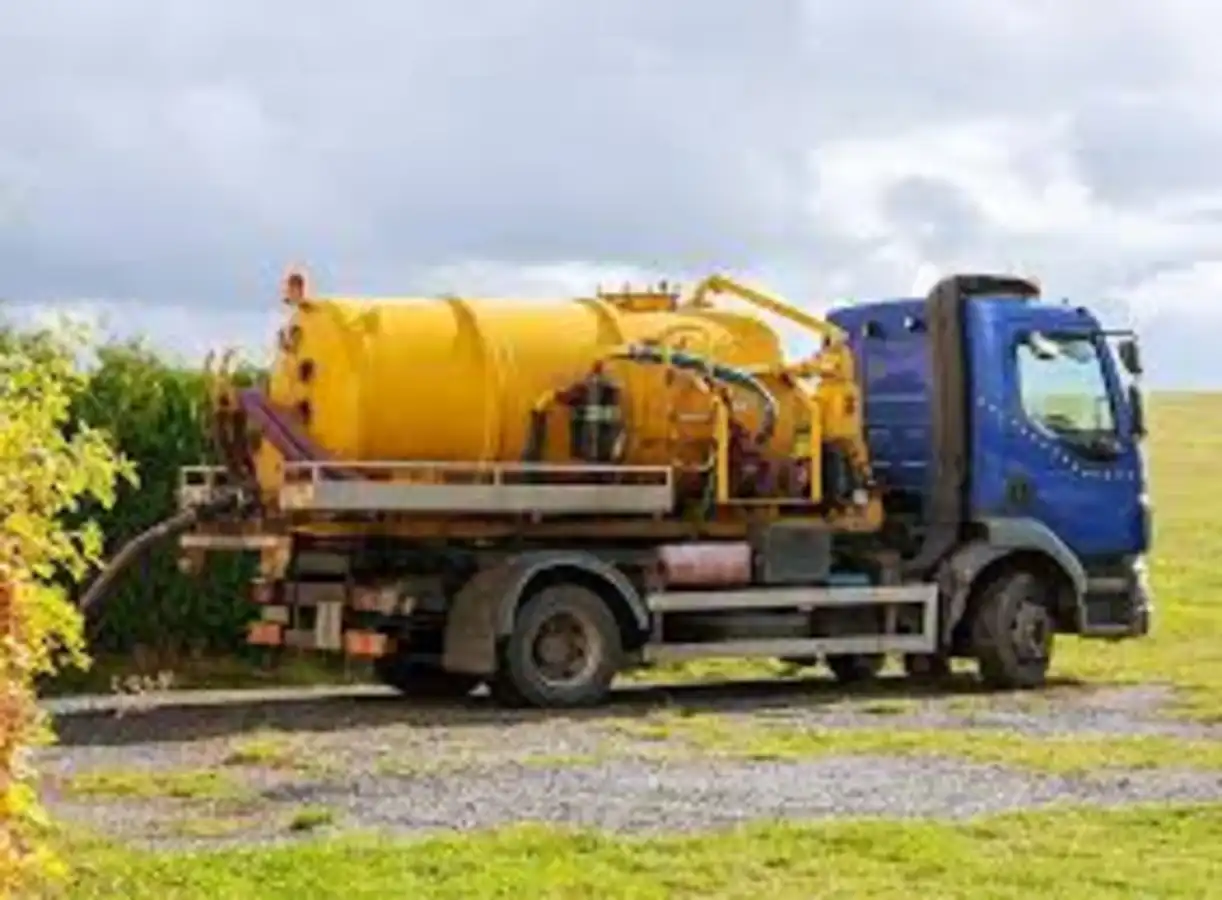
Most service calls follow the same basic process: a technician locates and uncovers the tank’s access lid, uses a vacuum truck to remove the accumulated solids and scum, and inspects the tank, baffles, and lid for cracks or damage while it’s open. Regular, on-schedule pumping keeps solids from washing into the drainfield, where they can clog the soil and cause costly, sometimes irreversible damage over time. Most households can expect the whole visit to take under an hour for a routine pumping, though a tank that’s severely overdue or hard to access may take longer. For general guidance on caring for a septic system between services, the EPA’s septic systems overview covers everyday maintenance tips homeowners can follow.
Choosing a Septic Pumping Company in New Jersey
Not every company that advertises septic service is licensed to work on it. Before booking, confirm the company holds any required state or local license, carries liability insurance, and can tell you the size of your tank and roughly how often it should be pumped based on household size and usage. A reputable provider will also inspect the tank’s baffles and lid condition while they’re on-site rather than just emptying it and leaving, since catching a small repair early is far cheaper than replacing a failed drainfield later. It’s also worth asking whether the company disposes of septage at a licensed treatment facility, since proper disposal is part of doing the job responsibly and keeping local water resources protected.
Cities We Serve in New Jersey
We connect homeowners with licensed septic pumping professionals across New Jersey, including these areas:
- Newark, New Jersey
- Jersey City, New Jersey
- Trenton, New Jersey
- Atlantic City, New Jersey
- Toms River, New Jersey
- Vineland, New Jersey
- Cherry Hill, New Jersey
- Princeton, New Jersey