Septic tank pumping in New York keeps a home’s wastewater system working safely, and getting it right means knowing both the state’s rules and the service itself.
New York’s septic systems face a wide range of conditions, from Long Island’s sensitive sole-source aquifer to the frost and terrain of the North Country. Whether you’re on a conventional system or an alternative nitrogen-reducing design, regular pumping keeps your system working and protects the groundwater your community relies on.
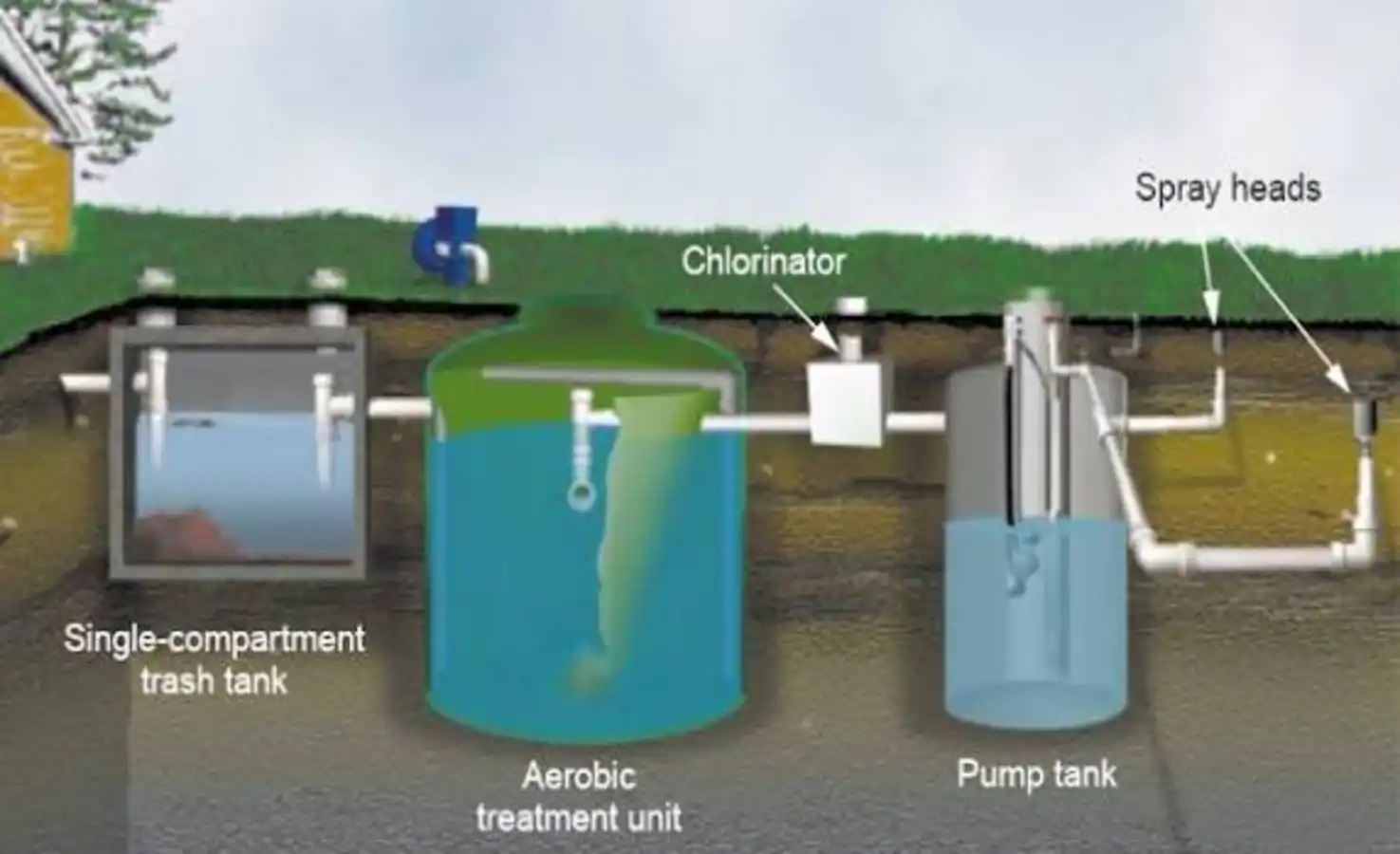
How Septic Systems Are Regulated in New York
The New York State Department of Health sets the statewide design and construction standard for residential septic systems under Appendix 75-A of the State Sanitary Code. Actual permitting and inspection, though, happens locally — county (and in some cases town) health departments review designs, witness percolation and deep-hole soil testing, and issue construction permits before a system goes in the ground.
Cornell Waste Management Institute estimates that roughly 20% of New York homes use septic or similar onsite systems, concentrated in rural areas and small communities outside the state’s sewered cities.
Long Island’s Sole-Source Aquifer
Nassau and Suffolk Counties sit atop a federally designated sole-source aquifer — the primary drinking water source for the region. That’s a major reason New York State has prioritized replacing older cesspools and conventional septic systems on Long Island with Innovative/Alternative (I/A) nitrogen-reducing systems. The state’s Septic System Replacement Fund Program, run through the NYS Environmental Facilities Corporation, has directed tens of millions of dollars toward these upgrades, with Suffolk County receiving the largest share of recent funding rounds. Homeowners in these programs typically need more frequent tank service to keep the enhanced treatment components working correctly.
Soil, Slope, and Site Conditions
Appendix 75-A requires a percolation test and a deep-hole soil observation before any system is designed, confirming the depth to seasonal high water table, bedrock, and the soil’s absorption rate. Cornell Cooperative Extension notes that septic systems generally can’t be used on steep or rocky land, and perform poorly on very quick-draining soils or in flood-prone areas — which is why alternative and engineered designs are common outside the state’s more favorable soil regions. Local frost depth also varies significantly across the state, from the milder coast to the deeper frost lines of the North Country and Adirondacks, and matters for how deep tank and line components need to sit.
Keeping Your System on Schedule
Whether you’re running a conventional gravity system or an I/A nitrogen-reducing unit, routine pumping is what keeps solids from reaching — and clogging — your absorption field. It’s also often a condition of staying in compliance with local health department maintenance requirements, especially for alternative systems with mechanical components. If you’re not sure when your tank was last serviced, we can check your system and get you on a schedule that fits your household and system type.
Signs You Need Septic Tank Pumping in New York
A septic tank that’s overdue for pumping usually gives some warning. Watch for slow-draining sinks and tubs, gurgling sounds in the plumbing, sewage odors near the tank or drainfield, standing water or unusually green grass over the tank area, and sewage backing up into toilets or drains. Any of these signs means it’s time to schedule pumping before a minor issue turns into a costly backup or system failure. Catching problems early also protects the drainfield, which is typically the most expensive part of a septic system to repair or replace, and it spares a household the disruption of an emergency service call.
What to Expect From Septic Tank Pumping in New York
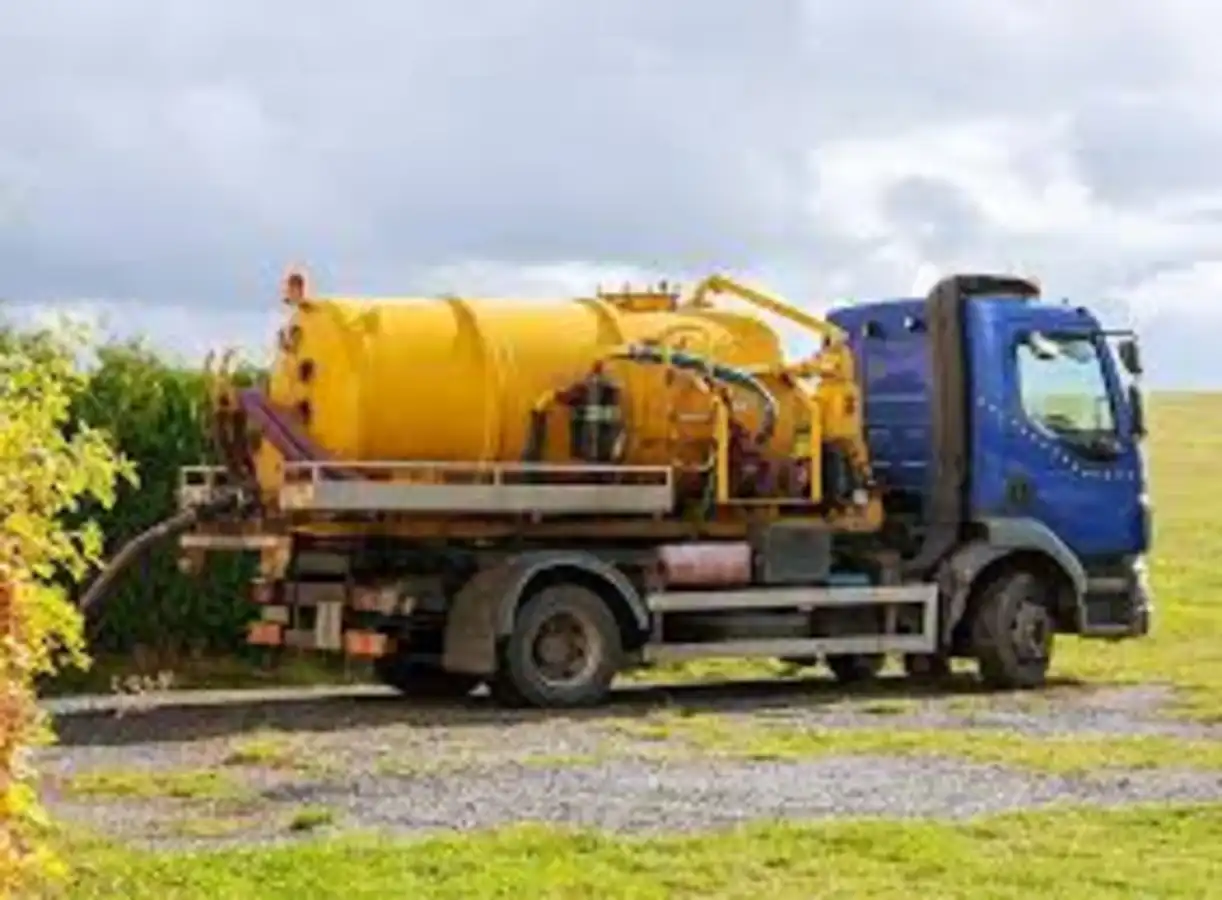
Most service calls follow the same basic process: a technician locates and uncovers the tank’s access lid, uses a vacuum truck to remove the accumulated solids and scum, and inspects the tank, baffles, and lid for cracks or damage while it’s open. Regular, on-schedule pumping keeps solids from washing into the drainfield, where they can clog the soil and cause costly, sometimes irreversible damage over time. Most households can expect the whole visit to take under an hour for a routine pumping, though a tank that’s severely overdue or hard to access may take longer. For general guidance on caring for a septic system between services, the EPA’s septic systems overview covers everyday maintenance tips homeowners can follow.
Choosing a Septic Pumping Company in New York
Not every company that advertises septic service is licensed to work on it. Before booking, confirm the company holds any required state or local license, carries liability insurance, and can tell you the size of your tank and roughly how often it should be pumped based on household size and usage. A reputable provider will also inspect the tank’s baffles and lid condition while they’re on-site rather than just emptying it and leaving, since catching a small repair early is far cheaper than replacing a failed drainfield later. It’s also worth asking whether the company disposes of septage at a licensed treatment facility, since proper disposal is part of doing the job responsibly and keeping local water resources protected.
Cities We Serve in New York
We connect homeowners with licensed septic pumping professionals across New York, including these areas:
- New York City, New York
- Buffalo, New York
- Rochester, New York
- Syracuse, New York
- Albany, New York
- Yonkers, New York
- Poughkeepsie, New York
- Ithaca, New York