Septic tank pumping in South Carolina keeps a home’s wastewater system working safely, and getting it right means knowing both the state’s rules and the service itself.
South Carolina’s septic rules have to work across three very different landscapes in one state: sandy, high-water-table soil along the Lowcountry coast, sandier ground through the Midlands and Sandhills, and dense Piedmont clay up toward the Upstate. That range is why the state’s onsite wastewater program leans on site-specific soil evaluation rather than a one-size-fits-all system design.
How Septic Systems Are Regulated in South Carolina
Septic oversight now sits with the SC Department of Environmental Services (SCDES), created when the state split the old DHEC into separate environmental and public health agencies. SCDES regulates onsite wastewater systems statewide under Regulation 61-56, and its Bureau of Water handles construction permits, site and soil evaluations, and final inspection before a new system can be covered and put into use. The state separately licenses onsite wastewater system professionals (designers and installers) and septic pumper/haulers, and requires site evaluations to be performed by a Professional Soil Classifier.
Coastal Water Tables, Piedmont Clay, and Storm Season
In Charleston, Beaufort, and Horry counties, a shallow water table and low-lying coastal plain soils limit how deep a conventional drain field can sit, while the sandier Midlands generally drain better. Up in the Piedmont and Upstate, denser clay slows percolation the way it does across much of the Southeast. Tropical storms and heavy rainfall add a seasonal wrinkle statewide, since saturated ground can temporarily overwhelm a drain field regardless of soil type until it has a chance to dry out.
System Types and Pumping
A conventional gravity tank and drain field remains standard wherever soil depth and drainage allow it. On tighter Lowcountry lots where a conventional system won’t meet setback or depth-to-water-table requirements, engineered alternatives such as low-pressure pipe systems, mound systems, and aerobic treatment units with extra pretreatment are permitted under Regulation 61-56. SCDES and Clemson University’s Home & Garden Information Center both publish septic maintenance guidance built around the widely used three-to-five-year pumping interval, with the exact timing depending on household size and tank capacity.
Signs You Need Septic Tank Pumping in South Carolina
A septic tank that’s overdue for pumping usually gives some warning. Watch for slow-draining sinks and tubs, gurgling sounds in the plumbing, sewage odors near the tank or drainfield, standing water or unusually green grass over the tank area, and sewage backing up into toilets or drains. Any of these signs means it’s time to schedule pumping before a minor issue turns into a costly backup or system failure. Catching problems early also protects the drainfield, which is typically the most expensive part of a septic system to repair or replace, and it spares a household the disruption of an emergency service call.
What to Expect From Septic Tank Pumping in South Carolina
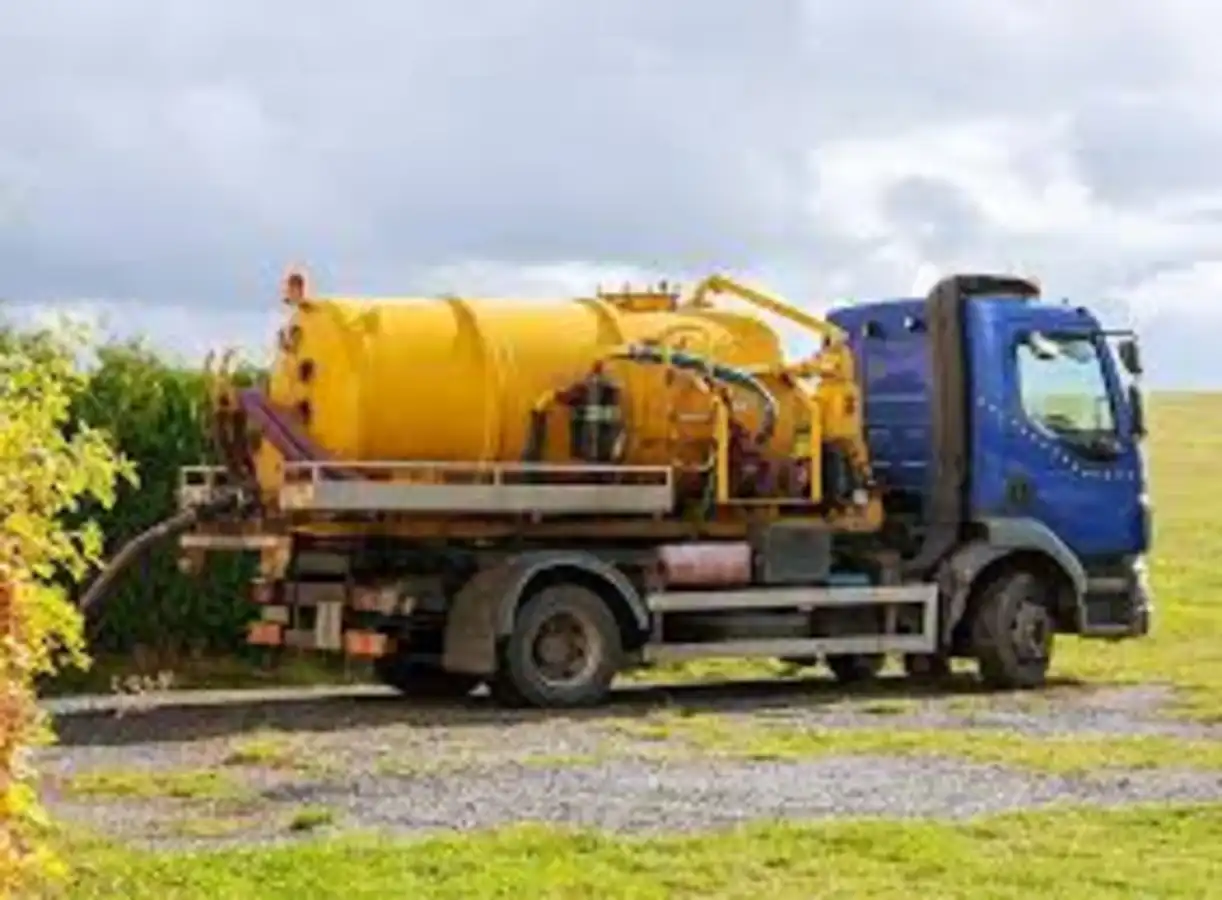
Most service calls follow the same basic process: a technician locates and uncovers the tank’s access lid, uses a vacuum truck to remove the accumulated solids and scum, and inspects the tank, baffles, and lid for cracks or damage while it’s open. Regular, on-schedule pumping keeps solids from washing into the drainfield, where they can clog the soil and cause costly, sometimes irreversible damage over time. Most households can expect the whole visit to take under an hour for a routine pumping, though a tank that’s severely overdue or hard to access may take longer. For general guidance on caring for a septic system between services, the EPA’s septic systems overview covers everyday maintenance tips homeowners can follow.
Choosing a Septic Pumping Company in South Carolina
Not every company that advertises septic service is licensed to work on it. Before booking, confirm the company holds any required state or local license, carries liability insurance, and can tell you the size of your tank and roughly how often it should be pumped based on household size and usage. A reputable provider will also inspect the tank’s baffles and lid condition while they’re on-site rather than just emptying it and leaving, since catching a small repair early is far cheaper than replacing a failed drainfield later. It’s also worth asking whether the company disposes of septage at a licensed treatment facility, since proper disposal is part of doing the job responsibly and keeping local water resources protected.
Cities We Serve in South Carolina
We connect homeowners with licensed septic pumping professionals across South Carolina, including these areas:
- Columbia, South Carolina
- Charleston, South Carolina
- Greenville, South Carolina
- Myrtle Beach, South Carolina
- Rock Hill, South Carolina
- Spartanburg, South Carolina
- Hilton Head Island, South Carolina
- Florence, South Carolina