Septic tank pumping in South Dakota keeps a home’s wastewater system working safely, and getting it right means knowing both the state’s rules and the service itself.
South Dakota spells out exactly how far a septic system has to sit from wells, water lines, and property lines, with the required distance changing based on both the well’s depth and the type of system being installed.
How Septic Systems Are Regulated in South Dakota
The South Dakota Department of Agriculture and Natural Resources (DANR) administers onsite wastewater system regulation at the state level under Administrative Rules of South Dakota Chapter 74:53:01, which governs individual and small on-site wastewater systems statewide.
Setback Distances and Soil Classification
South Dakota’s setback rules scale with well depth and component type. A septic, aerobic, or holding tank needs 50 feet of separation from a well deeper than 100 feet, or 75 feet from a shallower well, plus 10 feet from a dwelling and 10 feet from the property line. Absorption fields, mounds, evapotranspiration systems, and seepage pits need more room: 100 feet from a well deeper than 100 feet, 150 feet from a shallower well, 20 feet from a dwelling, and 10 feet from the property line. A seepage pit is defined in the rule as a covered excavation no deeper than 4 feet. For percolation classification purposes, the state defines sand soil as at least 25% medium-to-very-coarse sand, less than 50% fine sand, and no more than 10% particles finer than 0.05 millimeters.
System Types and Pumping
State rule recognizes septic tanks, aerobic treatment units, holding tanks, absorption fields, mounds, evapotranspiration systems, seepage pits, and graywater systems. As in most of the country, a typical household tank should be pumped every three to five years, with the right interval depending on household size, tank capacity, and usage.
Signs You Need Septic Tank Pumping in South Dakota
A septic tank that’s overdue for pumping usually gives some warning. Watch for slow-draining sinks and tubs, gurgling sounds in the plumbing, sewage odors near the tank or drainfield, standing water or unusually green grass over the tank area, and sewage backing up into toilets or drains. Any of these signs means it’s time to schedule pumping before a minor issue turns into a costly backup or system failure. Catching problems early also protects the drainfield, which is typically the most expensive part of a septic system to repair or replace, and it spares a household the disruption of an emergency service call.
What to Expect From Septic Tank Pumping in South Dakota
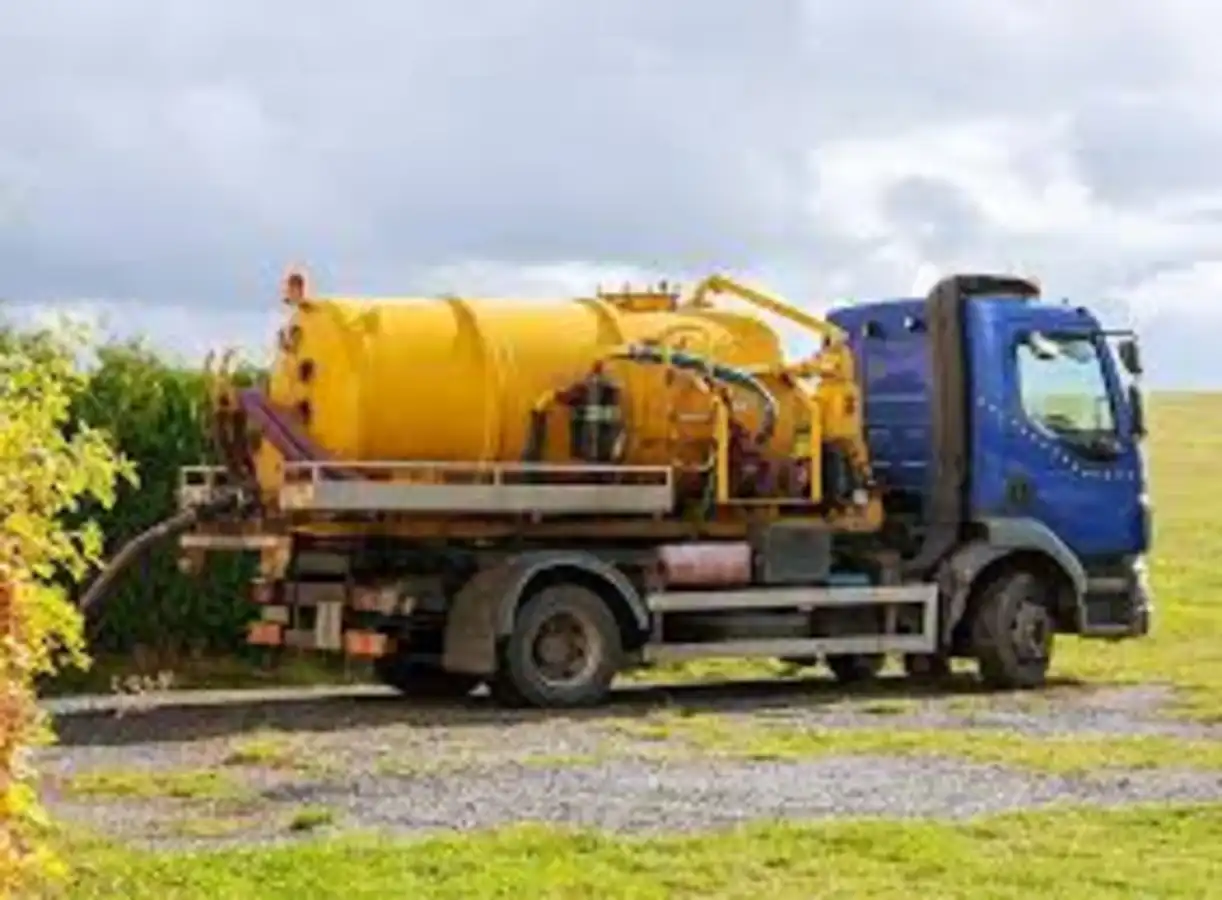
Most service calls follow the same basic process: a technician locates and uncovers the tank’s access lid, uses a vacuum truck to remove the accumulated solids and scum, and inspects the tank, baffles, and lid for cracks or damage while it’s open. Regular, on-schedule pumping keeps solids from washing into the drainfield, where they can clog the soil and cause costly, sometimes irreversible damage over time. Most households can expect the whole visit to take under an hour for a routine pumping, though a tank that’s severely overdue or hard to access may take longer. For general guidance on caring for a septic system between services, the EPA’s septic systems overview covers everyday maintenance tips homeowners can follow.
Choosing a Septic Pumping Company in South Dakota
Not every company that advertises septic service is licensed to work on it. Before booking, confirm the company holds any required state or local license, carries liability insurance, and can tell you the size of your tank and roughly how often it should be pumped based on household size and usage. A reputable provider will also inspect the tank’s baffles and lid condition while they’re on-site rather than just emptying it and leaving, since catching a small repair early is far cheaper than replacing a failed drainfield later. It’s also worth asking whether the company disposes of septage at a licensed treatment facility, since proper disposal is part of doing the job responsibly and keeping local water resources protected.
Cities We Serve in South Dakota
We connect homeowners with licensed septic pumping professionals across South Dakota, including these areas:
- Sioux Falls, South Dakota
- Rapid City, South Dakota
- Aberdeen, South Dakota
- Brookings, South Dakota
- Watertown, South Dakota
- Mitchell, South Dakota
- Yankton, South Dakota
- Pierre, South Dakota