Septic tank pumping in Vermont keeps a home’s wastewater system working safely, and getting it right means knowing both the state’s rules and the service itself.
Vermont handles septic permitting straight from the state rather than routing it through county health departments, giving property owners one consistent set of rules no matter where in the state they build.
How Septic Systems Are Regulated in Vermont
The Vermont Department of Environmental Conservation (DEC), through its Drinking Water and Groundwater Protection Division, administers the Wastewater System and Potable Water Supply Rules statewide. Unlike many states, Vermont doesn’t delegate permitting authority to counties or local health departments — DEC Regional Offices review and issue permits directly for wastewater systems and potable water supplies across the state.
Soil, Groundwater, and Isolation Standards
Vermont’s rules set isolation distances between wastewater components and features like potable water sources, property lines, and surface water based on soil permeability and seasonal high water table, with the specific values laid out in the rule’s isolation distance tables. Soil texture and the presence of impeding layers such as clay are also central to determining whether a site can support a conventional system or needs an alternative design.
System Types and Pumping
Conventional soil-based systems, including trenches, beds, mound leachfields, and at-grade leachfields, are standard where soil and groundwater conditions allow. Where they don’t, Vermont’s rules recognize alternative and innovative options such as constructed wetlands, sand filters, and subsurface drip distribution, along with holding tanks for sites that can’t support in-ground disposal. As in most of the country, a typical household tank should be pumped every three to five years, with the right interval depending on household size, tank capacity, and usage.
Signs You Need Septic Tank Pumping in Vermont
A septic tank that’s overdue for pumping usually gives some warning. Watch for slow-draining sinks and tubs, gurgling sounds in the plumbing, sewage odors near the tank or drainfield, standing water or unusually green grass over the tank area, and sewage backing up into toilets or drains. Any of these signs means it’s time to schedule pumping before a minor issue turns into a costly backup or system failure. Catching problems early also protects the drainfield, which is typically the most expensive part of a septic system to repair or replace.
What to Expect From Septic Tank Pumping in Vermont
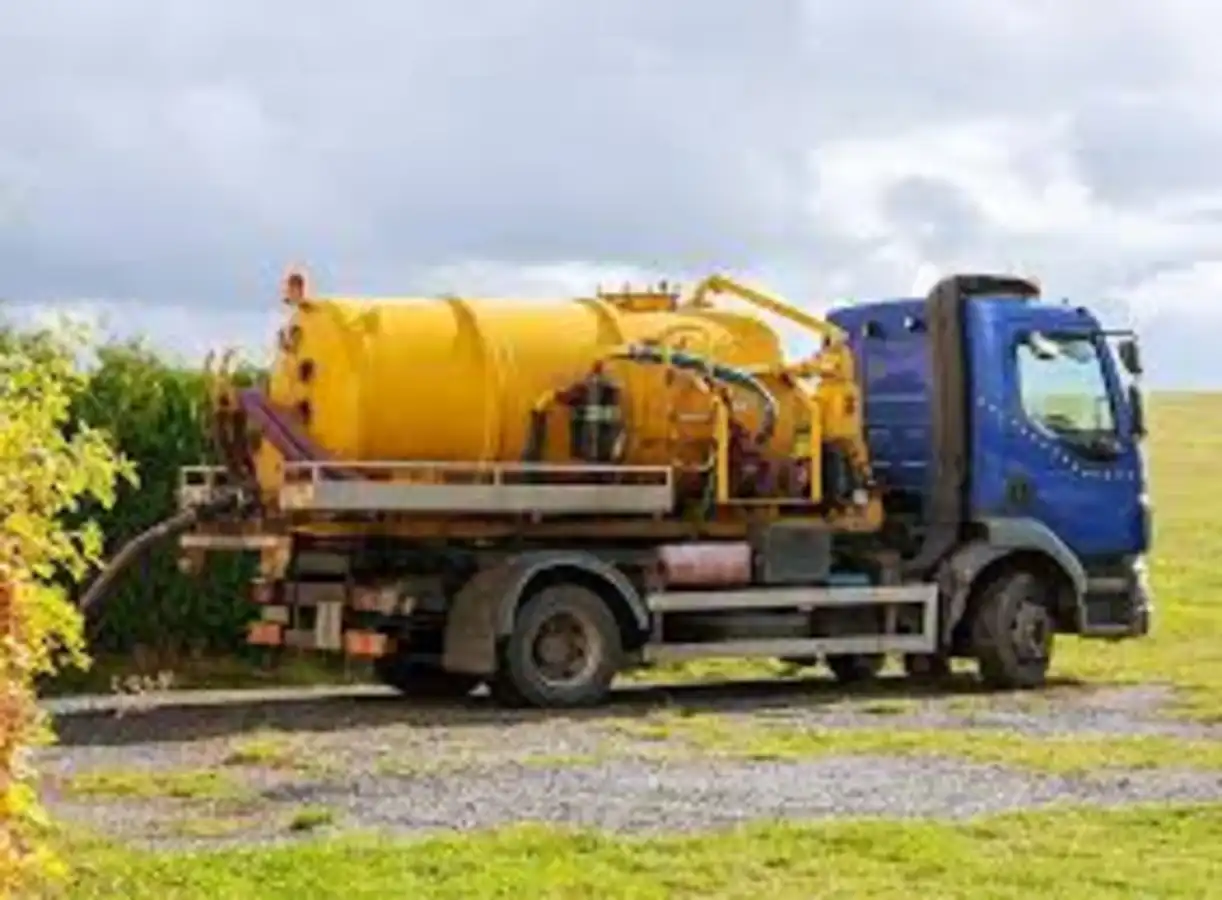
Most service calls follow the same basic process: a technician locates and uncovers the tank’s access lid, uses a vacuum truck to remove the accumulated solids and scum, and inspects the tank, baffles, and lid for cracks or damage while it’s open. Regular, on-schedule pumping keeps solids from washing into the drainfield, where they can clog the soil and cause costly, sometimes irreversible damage over time. For general guidance on caring for a septic system between services, the EPA’s septic systems overview covers everyday maintenance tips homeowners can follow. Keeping a simple maintenance log with pumping dates and any inspection notes also makes it easier to spot patterns and plan ahead for the next service.
Choosing a Septic Pumping Company in Vermont
Not every company that advertises septic service is licensed to work on it. Before booking, confirm the company holds any required state or local license, carries liability insurance, and can tell you the size of your tank and roughly how often it should be pumped based on household size and usage. A reputable provider will also inspect the tank’s baffles and lid condition while they’re on-site rather than just emptying it and leaving, since catching a small repair early is far cheaper than replacing a failed drainfield later.
Cities We Serve in Vermont
We connect homeowners with licensed septic pumping professionals across Vermont, including these areas:
- Burlington, Vermont
- Montpelier, Vermont
- Rutland, Vermont
- Barre, Vermont
- Stowe, Vermont
- Brattleboro, Vermont
- St. Albans, Vermont
- Bennington, Vermont