Septic tank pumping in Wisconsin keeps a home’s wastewater system working safely, and getting it right means knowing both the state’s rules and the service itself.
Wisconsin has roughly 774,000 private septic systems statewide, and the state was the birthplace of the mound system design now used across the country for tricky sites. With high water tables, shallow soils, and karst terrain in different corners of the state, mandatory maintenance tracking makes Wisconsin one of the more structured states for keeping a septic system in compliance.
How Septic Systems Are Regulated in Wisconsin
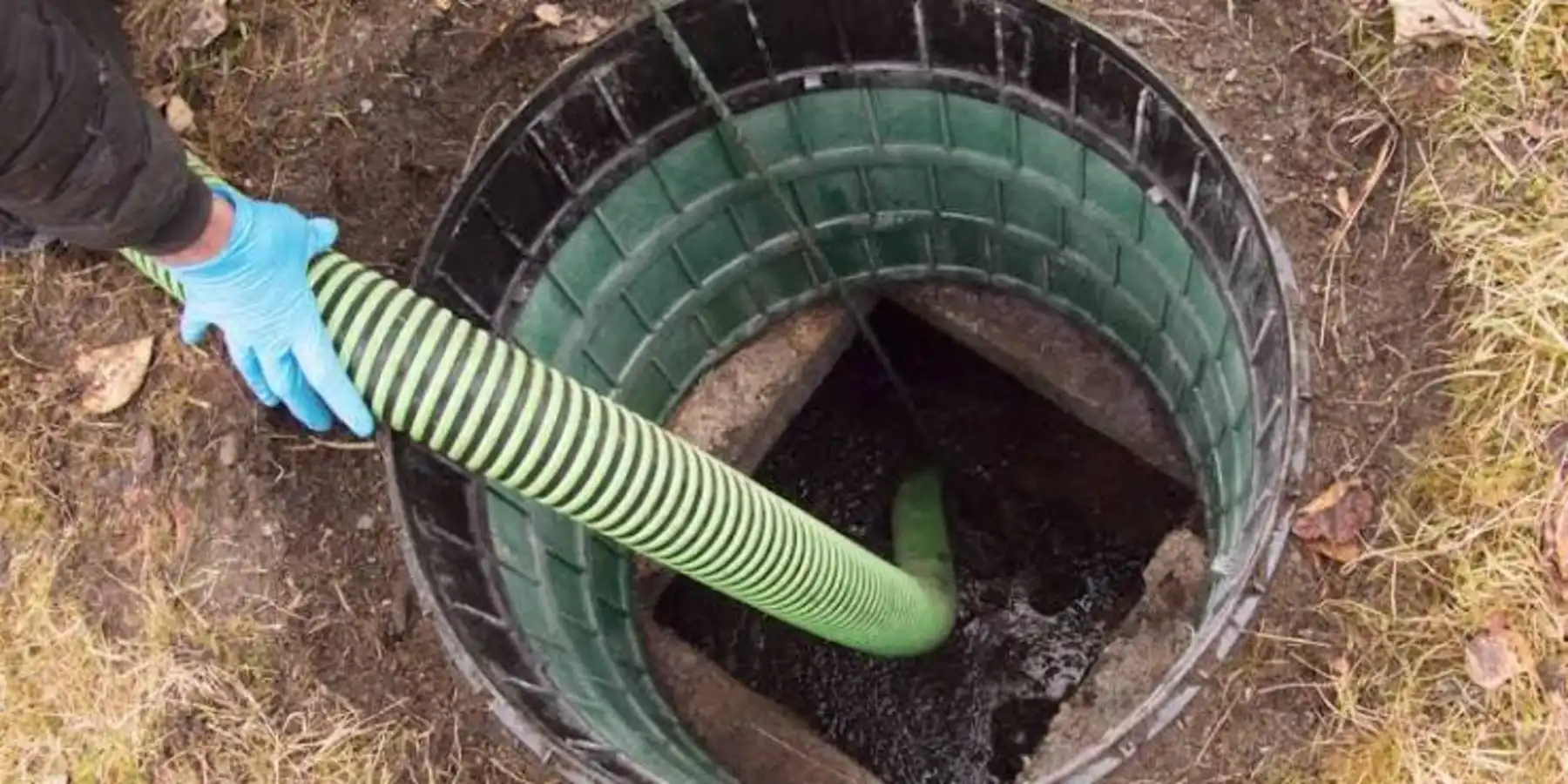
The Wisconsin Department of Safety and Professional Services (DSPS) sets statewide standards for Private Onsite Wastewater Treatment Systems (POWTS) under Wis. Admin. Code chapter SPS 383. Counties act as state agents, issuing sanitary permits, maintaining inventories of every POWTS in their jurisdiction, and enforcing compliance. Since October 2019, every POWTS in Wisconsin must be enrolled in a county-run maintenance tracking program, with reminder notices and follow-up on delinquent systems.
Why Mound Systems Are So Common
Wisconsin literally wrote the original mound system design manual, now referenced nationally, specifically for sites with a high water table, shallow soil over bedrock, or slowly permeable soil — conditions common across much of the state. In the Driftless Area of southwestern Wisconsin, karst topography (shallow soils over fractured, soluble bedrock) adds elevated groundwater contamination risk, which affects siting and setback decisions for any new system.
Inspection and Pumping Requirements
Systems installed before 2000 must be visually inspected at least once every three years under state rules. Pumping is technically triggered by sludge and scum reaching a third of the tank’s volume rather than a fixed calendar date, though a three-year inspection often lines up with pumping as preventive practice. Effluent filters get cleaned during servicing, and holding tanks (no drain field) require pumping once wastewater reaches a foot below the inlet, which triggers an alarm.
Help for Failing Systems
Property owners with a failing system can apply, through their county and then DSPS, for state grant assistance toward replacement within three years of a failure determination. If your system has been struggling, it is worth checking with your county sanitary program before assuming a full replacement is the only option.
Signs You Need Septic Tank Pumping in Wisconsin
A septic tank that’s overdue for pumping usually gives some warning. Watch for slow-draining sinks and tubs, gurgling sounds in the plumbing, sewage odors near the tank or drainfield, standing water or unusually green grass over the tank area, and sewage backing up into toilets or drains. Any of these signs means it’s time to schedule pumping before a minor issue turns into a costly backup or system failure. Catching problems early also protects the drainfield, which is typically the most expensive part of a septic system to repair or replace, and it spares a household the disruption of an emergency service call.
What to Expect From Septic Tank Pumping in Wisconsin
Most service calls follow the same basic process: a technician locates and uncovers the tank’s access lid, uses a vacuum truck to remove the accumulated solids and scum, and inspects the tank, baffles, and lid for cracks or damage while it’s open. Regular, on-schedule pumping keeps solids from washing into the drainfield, where they can clog the soil and cause costly, sometimes irreversible damage over time. Most households can expect the whole visit to take under an hour for a routine pumping, though a tank that’s severely overdue or hard to access may take longer. For general guidance on caring for a septic system between services, the EPA’s septic systems overview covers everyday maintenance tips homeowners can follow.
Choosing a Septic Pumping Company in Wisconsin
Not every company that advertises septic service is licensed to work on it. Before booking, confirm the company holds any required state or local license, carries liability insurance, and can tell you the size of your tank and roughly how often it should be pumped based on household size and usage. A reputable provider will also inspect the tank’s baffles and lid condition while they’re on-site rather than just emptying it and leaving, since catching a small repair early is far cheaper than replacing a failed drainfield later. It’s also worth asking whether the company disposes of septage at a licensed treatment facility, since proper disposal is part of doing the job responsibly and keeping local water resources protected.
Cities We Serve in Wisconsin
We connect homeowners with licensed septic pumping professionals across Wisconsin, including these areas:
- Milwaukee, Wisconsin
- Madison, Wisconsin
- Green Bay, Wisconsin
- Kenosha, Wisconsin
- Racine, Wisconsin
- Appleton, Wisconsin
- Eau Claire, Wisconsin
- La Crosse, Wisconsin