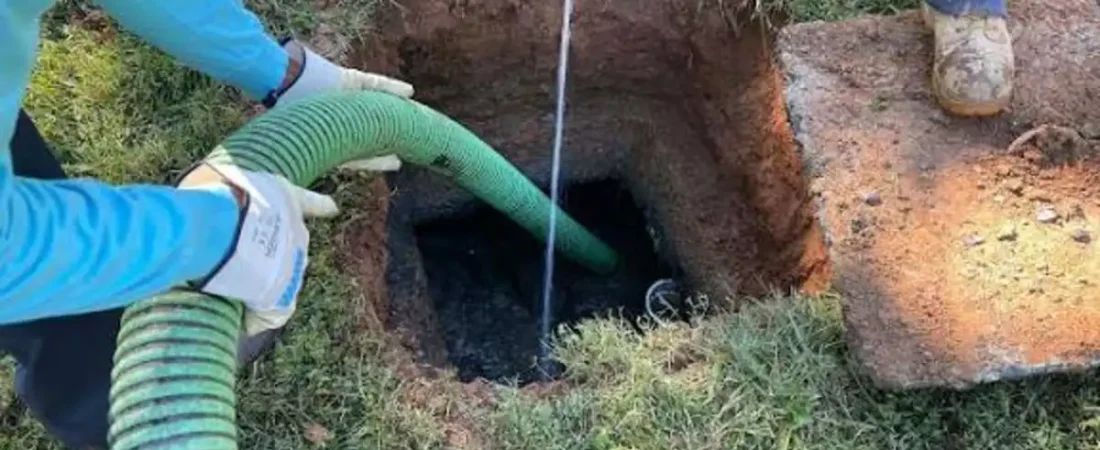
A septic system maintenance checklist by season is one of the simplest ways to protect your home, your yard, and your budget. Instead of trying to remember everything at once, you can spread small checks through the year, catch problems early, and keep the system working the way it was designed to work. This septic system maintenance checklist by season explains what to look for in spring, summer, fall, and winter, what you can safely check yourself, and when it is time to call a professional.
Why a Septic System Maintenance Checklist by Season Works
Septic systems do not fail overnight in most cases. They usually give gradual clues: slow drains, damp ground, odors, lush grass over one area, or toilets that gurgle. Seasonal checks help you notice those changes before they become backups or damage to the drain field. They also help you plan routine service, rather than reacting to an emergency. Keep a simple notebook or phone note with dates, observations, and service visits, so you can spot patterns over time and give useful information to a technician.
Good septic care starts with everyday habits. The U.S. Environmental Protection Agency provides homeowner guidance on septic systems, including how they work and why regular maintenance matters. You can read that guidance at the U.S. Environmental Protection Agency septic systems page. In general, avoid flushing wipes, grease, chemicals, and other items that do not break down easily, spread out laundry loads, and fix leaking fixtures promptly so extra water does not overload the system.
Spring: Inspect, Observe, and Plan Service
Spring is a good time for a careful walk-around after winter. The ground is thawing, water use often rises, and any winter damage becomes easier to see. Use this septic system maintenance checklist by season as a starting point, and work through the spring items in your septic system maintenance checklist by season before the busy summer months.
- Walk the tank and drain field areas and look for soggy ground, standing water, odors, or unusually green grass in one strip or patch.
- Check that tank lids and risers are secure, level, and not cracked, and that no vehicles or heavy equipment have parked over the system.
- Look inside for slow drains, gurgling sounds, and toilets that need more than one flush, and note which fixtures are affected.
- Check for leaking faucets and running toilets, because constant small leaks add a surprising amount of water to the tank over weeks.
- Review when the tank was last pumped and inspected, and book service if it is due or if you cannot remember the date. Learn more about septic tank pumping and scheduling.
- Clear leaves, debris, and stored items from around access points, but do not dig over the tank or drain field without knowing the layout.
If spring brings heavy rain, watch how water drains around the house. Roof runoff, sump discharge, and yard grading should direct water away from the septic area, not toward it. Extra surface water can saturate the soil and reduce how well the drain field absorbs wastewater.
Summer: Manage Water Use and Protect the Drain Field
Summer often means guests, laundry, showers, irrigation, and outdoor gatherings. That higher water use makes summer an important season for septic care, and it is a key part of your septic system maintenance checklist by season. Spread laundry over several days when you can, avoid running many water-using appliances at the same time, and remind guests to flush only toilet paper and human waste.
- Keep the drain field area free of parking, patios, sheds, pools, and deep-rooted trees or shrubs that could disturb pipes.
- Mow grass over the drain field, but do not add thick topsoil, mulch, or paving that could compact soil or block airflow and evaporation.
- Avoid watering the drain field heavily with sprinklers, and keep irrigation away from the tank and field.
- Watch for odors near drains or outdoors after heavy use, and for drains that slow down when several fixtures are used together.
- Store chemicals, paints, and harsh cleaners away from drains, and never pour them into sinks, toilets, or floor drains connected to the septic system.
Summer is also a sensible time to think about household habits that protect the system all year. Garbage disposals add solids to the tank, so use them sparingly if you have one. Cooking grease should go in a sealed container in the trash, not down the drain. These small choices reduce solids buildup and help the tank work more efficiently between service visits.
Fall: Prepare for Cold Weather and Heavy Holiday Use
Fall is preparation season, and your septic system maintenance checklist by season should include a practical check before cold weather and holiday guests arrive. Before winter, complete the fall items and arrange any service that is due. A fall visit is often easier to schedule than an emergency call in winter, and it gives you a clear record before the busiest part of the year.
- Have the system inspected if it is due, and ask the technician to note scum and sludge levels, baffle condition, and any repairs that should be planned.
- Confirm that risers and lids are accessible and secure, and mark their location in a way that does not damage the yard.
- Divert roof and surface water away from the septic area before winter storms arrive.
- Check that no fall landscaping, driveways, or construction will cross the tank or drain field.
- Plan for guests by reminding the household to space out showers and laundry and to avoid flushing wipes, even wipes labeled flushable.
If you notice persistent damp spots, odors, or backups in fall, do not wait for winter to see if they improve. Drain field problems tend to worsen with continued use, and early professional advice can clarify whether the issue is a full tank, a blockage, a broken pipe, or a failing field. See also our guide to drain field repair for signs that need prompt attention.
Winter: Reduce Strain and Watch for Warning Signs
Septic systems can work well in winter, but frozen ground, snow cover, and holiday water use can hide problems. In winter, your septic system maintenance checklist by season should focus on steady, moderate water use and on noticing changes inside the home, since outdoor signs may be covered by snow or frozen soil.
- Fix dripping faucets and running toilets quickly, because a steady leak can add a large volume of water over a cold month.
- Avoid parking vehicles or placing heavy loads over the tank and drain field, especially on frozen or soft ground.
- Do not use antifreeze, de-icers, or chemicals in drains to try to solve a slow drain, and do not pour hot water or chemicals into the system as a fix.
- Keep an eye out for sewage odors indoors, slow drains, and backups, and reduce water use while you wait for professional help if a backup occurs.
- Know where the main water shutoff is, and keep the phone number of a septic professional accessible during storms or holidays.
If pipes or drains freeze, do not use open flames or harsh chemicals to thaw them. Call a qualified professional for advice, because the wrong approach can damage pipes or create a safety hazard. A winter problem is still worth a prompt call, even if it seems to improve when temperatures rise.
Keep Simple Records All Year
A useful septic record does not need to be complicated. Note the date of each pumping and inspection, the company that performed the work, any measurements or findings the technician shared, and any problems you noticed. Also note the location of the tank, lids, and drain field, and keep a copy of any site sketch or inspection report. Add these notes to your septic system maintenance checklist by season so this record helps a future technician, a buyer, or a new homeowner understand the system without guessing.
Regular inspections are especially valuable because many septic problems are not visible from the surface. An inspection can check tank condition, baffles, filters if present, and signs of leaks or overloading. To learn what an inspection usually involves, read about septic system inspection and what to have ready before the visit.
When to Call a Septic Professional
Call a professional promptly if you notice sewage backups, strong or persistent odors, standing water or soggy ground over the system, unusually lush grass in one area, or drains that remain slow after basic checks. Also call if you do not know when the tank was last pumped, if you are buying or selling a home, or if you plan construction near the system. Early help is usually simpler and less disruptive than waiting for a complete failure.
A septic system maintenance checklist by season will not replace pumping, inspection, or repair, but it will help you use your system wisely, notice changes early, and plan service on your schedule. Start with this season, write down what you find, and repeat the checks next season. Consistent, simple care is the best protection for a system that works quietly underground every day.
Need help with seasonal septic care? Call Septic Pumping Experts at (213) 438-9131 to schedule pumping, inspection, or advice about your system.