Septic tank additives are marketed as a way to boost bacteria, break down sludge faster, and stretch out the time between pumpings. Some of that is true in a limited sense — most of it is oversold. Here’s what septic tank additives actually do, what’s in them, and why they can’t replace regular professional pumping.
What Septic Additives Claim to Do
Most products on store shelves fall into two categories: biological additives (bacteria or enzymes meant to speed up waste breakdown) and chemical additives (harsh cleaners or solvents meant to dissolve clogs and grease). Marketing for both types often implies you can skip or delay pumping if you use them regularly.
What’s Actually in Most Septic Additives
- Biological/enzyme additives: live bacteria cultures or enzymes meant to supplement the bacteria that already occur naturally in your tank from normal household waste
- Chemical additives: often contain solvents, degreasers, or in some older products, compounds that have since been linked to drain field and groundwater contamination
- Yeast-based home remedies: a common DIY trick with little evidence it does anything beyond what your tank’s existing bacteria already handle
Do Additives Replace Regular Pumping?
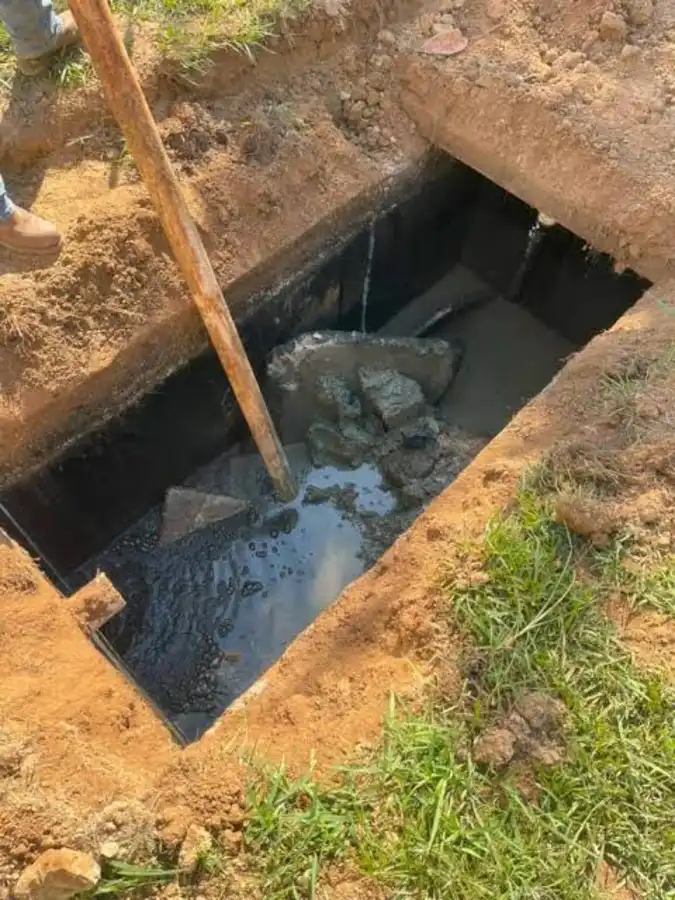
No. A septic tank separates waste into three layers: floating scum on top, liquid effluent in the middle, and solid sludge on the bottom. Bacteria break down some of that sludge over time, but they cannot eliminate it — inorganic material (grit, hair, non-biodegradable items) never breaks down at all, and even fully biodegradable solids accumulate faster than bacteria can process them in a normal household system. Every tank needs the solid layer physically pumped out on a regular schedule, additives or not. See our guide on how often to pump your tank for a schedule based on tank size and household use.
When Additives Can Help
Biological additives can be genuinely useful after events that wipe out a tank’s bacterial population — heavy use of bleach, antibacterial cleaners, or antibiotics in the household, or after the tank has sat unused for a long period. In these specific situations, reintroducing bacteria can help the system get back to normal function faster. Used this way, they’re a supplement to good septic habits, not a substitute for them.
When Additives Can Hurt Your System
- Harsh chemical additives can kill off the beneficial bacteria your system depends on, doing the opposite of what’s advertised
- Some chemical degreasers can push grease and solids into the drain field instead of breaking them down, clogging the soil and leading to a much more expensive drain field repair
- Relying on additives instead of scheduled pumping is the single most common cause of premature drain field failure
The Professional Take
Most licensed septic professionals don’t recommend routine additive use for a healthy, normally-maintained system — your household waste already introduces the bacteria a tank needs. The one habit that actually protects your system long-term is straightforward: pump on schedule, avoid flushing anything other than toilet paper and human waste, and don’t pour grease, chemicals, or non-biodegradable material down any drain.
Frequently Asked Questions
Are septic-safe toilet paper and cleaning products worth using?
Yes — septic-safe products break down faster and put less strain on your system than heavier, non-dissolving paper or harsh cleaners, even though neither replaces the need for regular pumping.
Will additives fix slow drains or a bad odor?
Usually not on their own. Slow drains and odor are typically signs the tank is full or a line is blocked — both call for an inspection and pumping, not an additive. See our warning signs guide for the full list.
Related Reading
- How Often Should You Pump Your Septic Tank? (Complete Guide)
- 10 Warning Signs Your Septic Tank Needs Pumping Now
- Septic Drain Field Repair & Restoration
Septic Tank Additives: Getting Professional Advice
Before spending money on septic tank additives, it is worth asking a licensed technician what your system actually needs. The EPA\u2019s overview of septic system components explains that septic tanks already contain the bacteria needed to break down waste naturally, which is part of why many septic tank additives offer little measurable benefit over routine pumping. If you are unsure whether septic tank additives are worth using in your system, reach out through our contact page and a technician can walk you through what actually helps.