RV holding tank pumping works differently from a home septic pump-out: RV holding tanks and home septic systems both hold wastewater, but they work completely differently — and mixing them up leads to expensive mistakes. This guide covers how RV black and gray tank pumping works, how often to dump your tanks, and when it’s safe (or not) to connect an RV to a home septic system.
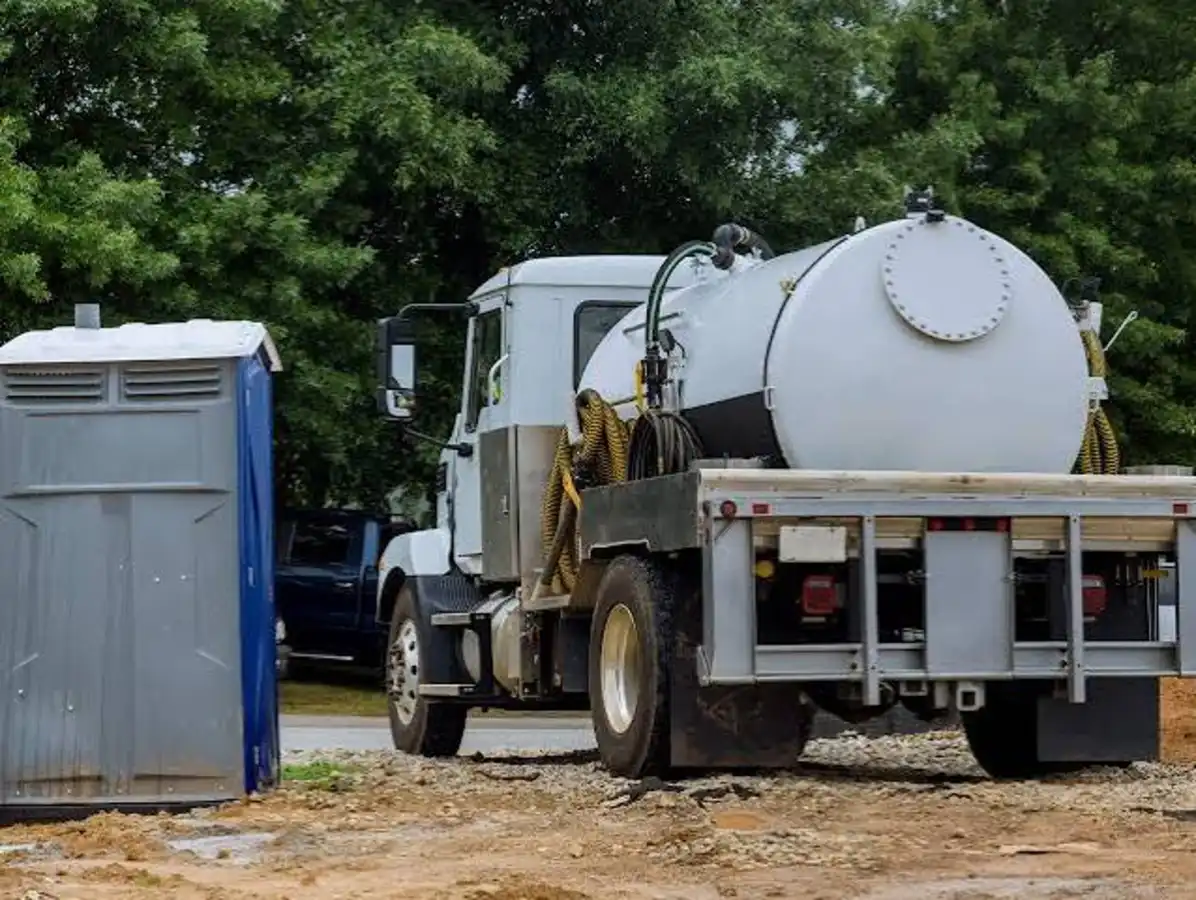
RV Holding Tank Pumping vs. Home Septic Systems
A home septic system is a permanent, buried tank connected to a drain field that treats and disperses wastewater continuously. An RV holding tank is a sealed, portable storage tank with no treatment component — it simply holds waste until you dump it at a designated station or have it pumped out. RVs actually carry two or three separate tanks: a black tank for toilet waste, a gray tank for sink and shower water, and sometimes a separate galley gray tank for the kitchen.
How Often Should You Dump Your RV Tanks
- Black tank: dump when it reaches roughly two-thirds full, and never let it sit empty or barely used for long stretches — enough liquid needs to stay in the tank to keep solids from packing at the bottom
- Gray tank: dump at the same time as the black tank, or whenever it’s full — gray water has fewer odor and solids issues but fills up faster from daily dishes and showers
- Full-time RVers: expect to dump every 3-5 days for a couple, sooner with more people onboard or heavy tank usage
- Weekend or occasional use: dump at the end of every trip regardless of how full the tanks read, so waste doesn’t sit for weeks between uses
Black Tank vs. Gray Tank Pumping
Always dump the black tank first, then the gray tank right after — the gray water rinses solids and residue out of the hose on its way out. Dumping gray-first-then-black leaves waste sitting in the hose. If your RV has a built-in macerator or you’re using a professional mobile pumping service, this order is usually handled for you, but it’s worth confirming with a mobile tech before a first-time service.
Signs Your RV Tank Needs Professional Pumping
- The tank sensor reads full or inaccurate even after a normal dump (often a sign of solid buildup coating the sensor)
- Slow drainage or gurgling from sinks and the toilet
- Persistent odor even with the tank empty and treated
- No dump station nearby and a tank that’s reached capacity — a mobile septic/RV pumping service can pump you out on-site
Can You Dump an RV Tank Into a Home Septic System?
Not directly into the ground or a random cleanout without care. A home septic system is sized for the household’s normal daily flow, and a large one-time dump of concentrated RV waste can shock the system’s bacterial balance or overload the tank. If you need to empty an RV at a residence, the safest approach is a dedicated RV dump connection plumbed into the home’s sewer line ahead of the septic tank, or simply calling a licensed septic or portable-sanitation company to pump the RV tanks directly — the same way they’d service a home tank.
Frequently Asked Questions
Can I use regular home septic additives in my RV tank?
RV-specific tank treatments are formulated for a sealed, low-water-volume tank and are generally a better fit than products made for continuously-flowing home septic systems. Check your RV manufacturer’s guidance before switching products.
Is it bad to let an RV holding tank sit unused for months?
Yes — waste left sitting for long periods can dry out, harden, and become much harder to clear. If you’re storing an RV for the season, dump and thoroughly flush both tanks first rather than leaving them full or with residue in the bottom.
Related Reading
- Do Septic Tank Additives Work? What Professionals Say
- Commercial & HOA Septic Pumping: What’s Different
- Septic Tank Pumping Cost: 2026 National Cost Guide
RV Holding Tank Pumping: Getting Professional Help
If your RV holding tank pumping needs are more than a standard dump station can handle, or you are setting up a long-term RV pad, a licensed septic technician can help. The EPA\u2019s overview of septic system components explains why mixing RV waste directly into a home system without the right connection can overload it. If you need RV holding tank pumping on site or want to confirm your home system can handle an RV connection safely, reach out through our contact page.