A septic system is one of the most expensive things to repair or replace in a home, and it’s completely hidden underground where a standard home inspection often won’t catch problems. A septic inspection checklist is exactly what you need before closing: if you’re buying a home with a septic system, a dedicated septic inspection isn’t optional — here’s what it covers and what to watch for.
Why a Septic Inspection Matters Before You Buy
A standard general home inspection typically only confirms that water drains and the toilet flushes — it doesn’t open the tank, check sludge levels, or evaluate the drain field. A full septic system replacement can be a five-figure expense depending on system type and site conditions, so a dedicated inspection before closing is one of the highest-value steps in the buying process for any home not on municipal sewer.
What a Professional Septic Inspection Includes
- Locating the tank and drain field (see our guide on how to locate a septic tank if records aren’t available)
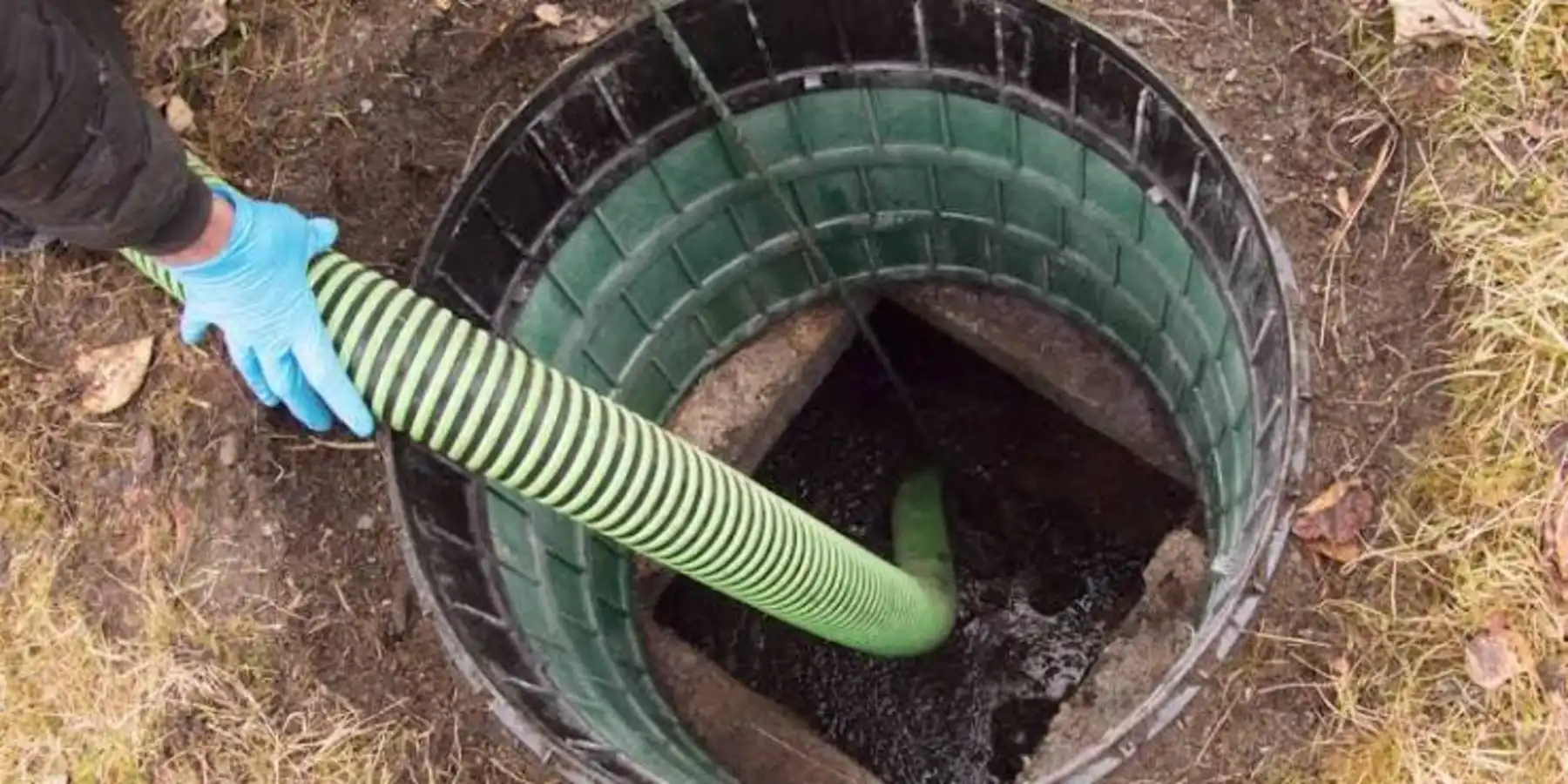
- Uncovering the tank and measuring sludge and scum layer depth
- Checking tank walls, baffles, and lids for cracks, corrosion, or damage
- Running water through the system to check flow and look for backups
- Inspecting the drain field area for standing water, unusually lush or soggy grass, or odor — all signs of a failing field
- Confirming the system matches county/health department records for permitted capacity and bedroom count
Questions to Ask the Seller
- When was the tank last pumped, and do you have service records?
- Has the system ever backed up, been repaired, or had the drain field replaced?
- How many bedrooms was the system permitted for, and does that match the home as it is now?
- Is it a standard gravity system or a more complex type (aerobic treatment unit, pump-assisted, mound system)? Complex systems generally cost more to maintain — see our ATU inspection guide if the home has one.
Red Flags That Should Stop the Sale (or Trigger Negotiation)
- Standing water, soggy ground, or sewage odor anywhere over the tank or drain field
- No pumping records at all, or records showing the tank hasn’t been pumped in 5+ years
- Cracked, collapsing, or improperly sealed tank lids and risers
- A system permitted for fewer bedrooms than the home currently has
- Seller unwilling to allow a full inspection, including uncovering the tank
Inspection Checklist
- ☐ Get service and pumping history from the seller
- ☐ Hire a licensed septic professional for a dedicated inspection (separate from the general home inspector)
- ☐ Confirm the tank is physically located, uncovered, and measured
- ☐ Confirm permitted bedroom count matches the home
- ☐ Walk the drain field area looking and smelling for problems
- ☐ Get the inspection findings in writing before closing
Frequently Asked Questions
Should I pump the tank before or after the inspection?
Have it inspected first, with the tank uncovered so sludge levels can be measured — pumping beforehand removes the evidence an inspector needs to evaluate the system’s real condition.
Who pays for the septic inspection, buyer or seller?
This is negotiated as part of the purchase contract and varies by market and agent — it’s not standardized, so confirm with your real estate agent early in the process.
Related Reading
- How to Locate Your Septic Tank (Without Digging Up the Yard)
- What Size Septic Tank Do I Need? Sizing Guide by Household
- 10 Warning Signs Your Septic Tank Needs Pumping Now
Septic Inspection Checklist: Getting Professional Help
A full septic inspection checklist takes more than a walk around the yard — it means pumping and opening the tank, probing the drain field, and checking every component a general home inspector skips. The EPA’s overview of septic system components covers why each part needs its own check before you close on a home. If you are under contract and need a proper septic inspection checklist completed before your deadline, reach out through our contact page and a licensed technician can get it scheduled.